Christianity in the Middle East continues to draw global attention due to the challenges faced by its communities across the region.
While the Vatican has largely maintained diplomatic restraint, concerns persist over declining Christian populations in North Africa, with Algeria often described as one of the more restrictive states in its treatment of religious minorities.
Mahin SiddiquiMahin Siddiqui
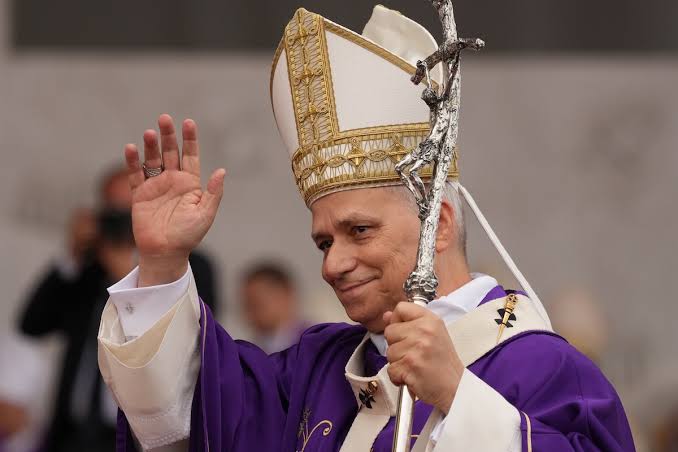
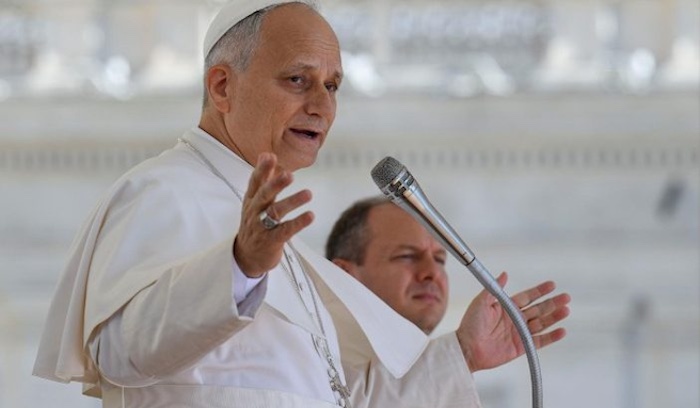
Pope Leo XIV’s historic apostolic journey to Algeria, held from April 13 to 15, marked the first time a Bishop of Rome has visited the country.
The US-born pontiff entered a setting shaped by colonial history and ongoing tensions, engaging with both a small Catholic minority and a Protestant community that has faced mounting pressure.
The Vatican and Algerian authorities both framed the visit as an example of interfaith harmony and mutual respect, while also presenting a shared stance against external neocolonial influence. However, critics argue the trip risked portraying Algeria as more tolerant than its record suggests, with questions raised about whether the Vatican sufficiently addressed restrictions facing its followers.
The timing of the visit, amid heightened global tensions including the US-Israel conflict involving Iran, also added political weight to the trip, during which Leo XIV spoke critically about modern global power structures.
A central element of the visit was its spiritual focus, particularly the Pope’s pilgrimage to the ruins of Hippo in present-day Annaba. As an Augustinian, Leo XIV retraced the legacy of Saint Augustine, symbolically reconnecting Christianity with its North African roots. The journey was presented as both a personal spiritual return and a diplomatic effort to reframe Christianity as deeply embedded in Mediterranean history rather than solely a European tradition.
However, some observers noted that this historical emphasis risked overshadowing present-day concerns regarding religious restrictions in Algeria.
While the visit was widely framed as an example of interfaith goodwill, a significant gap remained between official messaging and the lived experiences of Algeria’s Protestant community. Although the Catholic Church operates with state recognition, Protestant converts—particularly within Berber communities—have reportedly faced increasing pressure. Authorities are said to have closed nearly 50 Protestant churches in recent years, citing administrative issues such as safety compliance and zoning regulations. The Pope is understood to have raised concerns privately with President Abdelmadjid Tebboune regarding church closures and legal actions against pastors, but critics argue that behind-the-scenes diplomacy falls short of meaningful public advocacy.
The visit also included a symbolic stop at the Grand Mosque of Algiers, where Pope Leo XIV removed his shoes and offered prayers at the mihrab, calling for a “spirit of peace” across all faiths. While widely interpreted as a gesture of interreligious respect, it also drew attention to disparities in religious freedoms within the country. Some commentators argued that the Pope’s public criticism appeared selective, as he strongly addressed issues in Western contexts while avoiding direct condemnation of Algeria’s domestic policies during official appearances.
Ultimately, the visit represented a calculated act of religious diplomacy, reinforcing the Vatican’s role as a moral voice in global affairs while offering encouragement to a small and often overlooked Christian population. However, its long-term impact remains uncertain. Without concrete reforms—such as the reopening of closed Protestant churches and revision of restrictive regulations governing non-Muslim worship—the trip risks being remembered more as symbolic diplomacy than substantive change. While Pope Leo XIV’s visit generated hope among Algerian Christians, that hope remains contingent on political structures he has publicly criticized but not decisively challenged.