







The Nigerian Institute of Medical Research has assured the public of its readiness to tackle any potential outbreak of the Human Metapneumovirus, currently circulating in China.
In a press statement on Thursday, NIMR’s Director-General, Prof. John Obafunwa, confirmed that the institute is closely monitoring developments and is prepared to collaborate with relevant government agencies to strengthen Nigeria’s emergency health response.
“Following media enquiries about the Nigerian Institute of Medical Research’s preparedness, in view of the recent ‘outbreak’ of the Human Metapneumovirus in China, we wish to assure the general public that the institute is fully prepared, as Nigeria’s foremost research agency, to fulfil its mandate concerning the outbreak, if the need arises,” Obafunwa stated.
He added, “NIMR is in close contact and will be collaborating with relevant government agencies and institutions as the nation intensifies efforts to strengthen its preparedness for all health emergencies. We also align with the positions already shared by the Nigeria Centre for Disease Control and urge the public to follow their health advisories.”
The World Health Organisation earlier this week confirmed that it is in contact with Chinese health officials regarding HMPV. WHO stated there are no unusual outbreak patterns, and Chinese authorities reported that their healthcare system is not overwhelmed.
“In many countries of the Northern Hemisphere, trends in acute respiratory infections increase at this time of year,” WHO noted. It attributed this to seasonal epidemics of viruses such as influenza, RSV, HMPV, and others.
WHO advised individuals to take precautions such as:
– Staying home when experiencing mild symptoms.
– Wearing masks in crowded or poorly ventilated spaces.
– Washing hands regularly.
– Covering coughs and sneezes with tissues or a bent elbow.
Additionally, WHO urged Member States to maintain respiratory pathogen surveillance using an integrated approach tailored to local resources and needs.
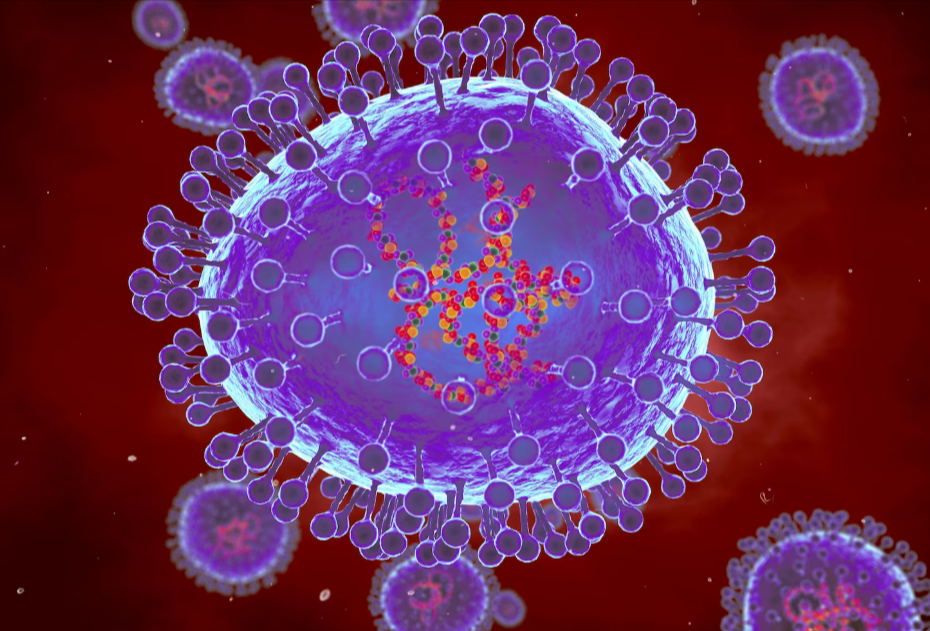
The Human Metapneumovirus, discovered in 2001, belongs to the Pneumoviridae family and is similar to the Respiratory Syncytial Virus. It can cause upper and lower respiratory infections, particularly among young children, the elderly, and people with weakened immune systems.
The US Centre for Disease Control highlights that broader use of molecular diagnostic testing has helped in better identifying and understanding HMPV’s impact.
The Nigerian government has assured citizens that proactive measures are in place to address any potential threats, emphasizing the importance of public cooperation in adhering to health guidelines.


