The Vatican responded Thursday aggressively to a traditionalist group that consecrated bishops without the pope’s consent, declaring that the Society of St. Pius X had formally broken with the Catholic Church. It also excommunicated its bishops and priests, and warned its faithful that they too face the harshest sanctions in the church.
By declaring a schism and extending excommunications to potentially thousands of Catholics, the Vatican’s doctrine office went above and beyond the minimum sanctions foreseen by the church’s canon law to respond to the consecrations Wednesday of four new bishops.
The society, known by its acronym SSPX, celebrates the ancient Latin Mass and opposes the modernising reforms of the Catholic Church, which it considers to be rife with heresies and errors. While a fringe movement on the Catholic right, the SSPX has been a thorn in the Vatican’s side for five decades because it claims to be even more Catholic than the Holy See.
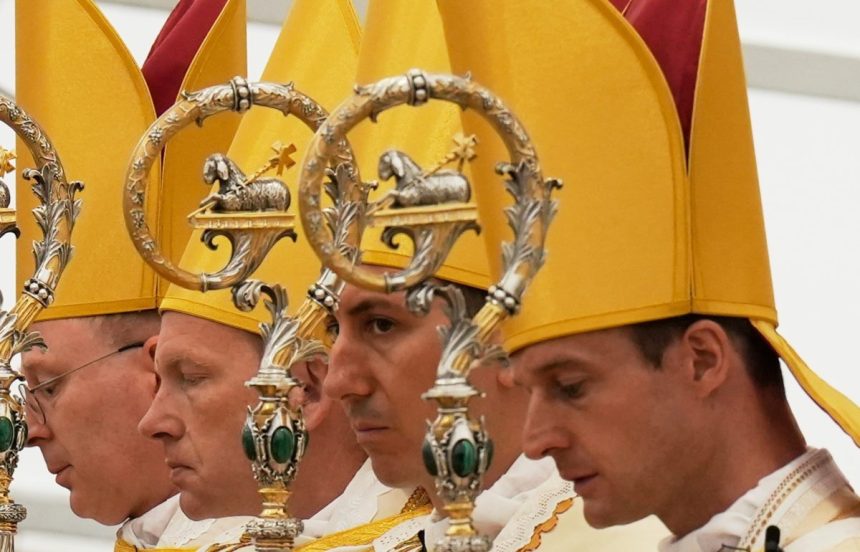
During a ritual-filled, five-hour Mass on Wednesday at its seminary in Econe, Switzerland, the SSPX consecrated four new bishops in direct defiance of Pope Leo, who had urged the group to hold off for the sake of church unity. An estimated 15,500 people and their children attended, a sign that the SSPX has plenty of supporters who came from around the world knowing full well they were defying Rome.
The excommunication means that the bishops and priests of the society are formally separated from the Catholic Church and cannot receive or administer the sacraments. The Vatican also warned that the faithful who adhere to the SSPX could also face sanctions, including being denied communion and other sacraments.
The SSPX was founded in 1970 by Archbishop Marcel Lefebvre in opposition to the reforms of the Second Vatican Council, which modernised the church and introduced the use of vernacular languages in the Mass instead of Latin. The society has been in a state of irregularity with the Vatican for decades, but the consecration of bishops without papal approval represents a significant escalation in the conflict.