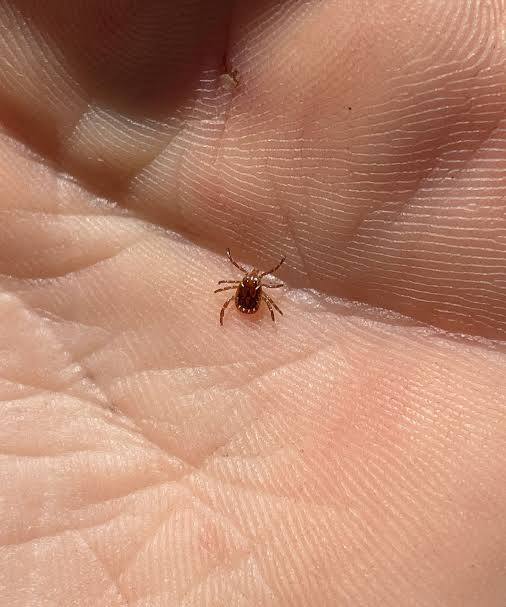
A Pennsylvania woman has developed an allergy to red meat following a tick bite, highlighting the potential health risks associated with alpha-gal syndrome, a tick-borne condition that can trigger serious allergic reactions.
Angela Lundy said her symptoms began after she was bitten by a tick during the summer. She later experienced a severe reaction after eating a bratwurst, a type of German sausage.
Recalling the tick bite, Lundy described the irritation as unusually intense, saying, “It was the itchiest bite I had ever had.”
Her condition became apparent after she ate the sausage and subsequently developed severe abdominal pain. Following a consultation with a doctor, she was diagnosed with alpha-gal syndrome.
“I woke up with severe stomach pain right along where my bra line is, and it lasted about three hours,” Lundy said.
In response to the diagnosis, Lundy now carries an EpiPen as a precaution against potentially dangerous allergic reactions.
According to the US Centers for Disease Control and Prevention (CDC), alpha-gal syndrome is an allergy that can develop after certain tick bites. The condition may cause affected individuals to react to products containing alpha-gal, a sugar molecule found in most mammals, including meat from animals such as cattle, pigs and deer.
Symptoms can vary in severity and may include stomach pain and other allergic reactions. In some cases, the condition can lead to a life-threatening reaction requiring immediate medical attention.
The condition has drawn attention because people may develop symptoms after consuming foods they previously ate without difficulty. However, the timing and severity of reactions can differ from one person to another.
Health experts advise people to take precautions against tick bites, particularly when spending time outdoors in areas where ticks are common. Recommended measures include using insect repellents containing DEET, wearing protective clothing and checking the body for ticks after outdoor activities.
Washing clothing with products specifically designed to repel ticks may also help reduce exposure.
Lundy’s experience highlights the importance of recognising unusual symptoms following a tick bite and seeking medical advice when allergic reactions or unexplained illness occur.