The number of meningitis cases linked to a nightclub outbreak in southeast England has risen to 34, including 23 confirmed cases, UK health officials announced on Saturday.
The outbreak, which began just over a week ago, has claimed two lives — one university student and one schoolgirl — while several other young people have been hospitalised.
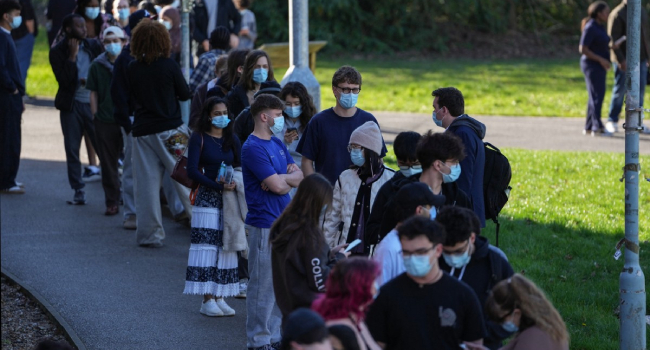
Hundreds of students queued for meningitis B vaccines at the University of Kent on Saturday morning after some were turned away the previous day. The university is where several of the cases have been reported.
The UK Health Security Agency said more than 5,700 vaccines have been administered and over 11,000 antibiotics distributed in Kent, where the outbreak is centred.
“As of 12:30 p.m. on 20 March 2026, UKHSA has been notified of 23 confirmed and 11 probable cases of invasive meningococcal disease with epidemiological links to Canterbury, Kent,” the health body said in a statement.
A majority of the confirmed cases were group B meningococcal disease, caused by the meningococcal bacteria.
The epicentre of the outbreak is believed to be Club Chemistry, a three-floor nightclub in Canterbury. Authorities have urged clubgoers who visited the venue from March 5 to 7 to come forward for medication.
Bacterial meningitis is rarer and deadlier than the viral form of the infection. Meningitis affects the protective membranes surrounding the brain and spinal cord and can lead to sepsis if left untreated.
Kent council’s public health director, Anjan Ghosh, warned on Friday that “small household, sporadic clusters” could appear in other parts of the UK as students who have travelled home could “incubate” the bug. However, he said these would be “containable” and stressed that the risk of infection between individuals remains low.
One case linked to the outbreak has been reported in France. The French health ministry confirmed on Wednesday that a person who had attended the University of Kent was hospitalised in stable condition.
Meningitis is most common in young children, teenagers, and young adults. Initial symptoms include headache, fever, drowsiness, and a stiff neck — symptoms that can also indicate other illnesses, making prompt diagnosis challenging.
The infection can progress rapidly, with a rash often appearing as a sign. It is spread through prolonged close contact, including kissing or sharing vapes and drinks.
In the UK, babies have only been routinely vaccinated against MenB since 2015.