





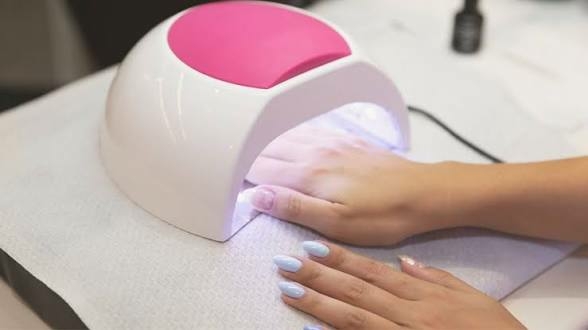
A key ingredient used in many gel nail polishes is now subject to fresh restrictions across England, Wales and Scotland.
The Independent reported that the new regulations prohibit the use of trimethylbenzoyl diphenylphosphine oxide, commonly known as TPO, which acts as a photoinitiator to help gel polish harden under UV light while improving durability and colour retention.
The prohibition took effect on Saturday, preventing manufacturers from introducing new TPO-containing products. However, salons have been given until February 14, 2027, to phase out existing stocks, meaning customers may still encounter the ingredient while supplies last.
The European Union had already banned TPO in September 2025. The UK’s decision follows animal studies linking the chemical to potential fertility and reproductive issues. However, industry bodies have maintained that the concentration used in nail products is significantly lower than levels associated with harmful effects.
Caroline Rainsford, Director of Science at the Cosmetic, Toiletry and Perfumery Association, said: “The reason why TPO has been banned in cosmetic products in the EU is based on its hazardous properties, meaning how a substance might behave under a ‘worst case’ situation when our bodies are exposed to a very large amount.
“This is not how TPO is used in cosmetics. The amount of this ingredient used in nail products is over a thousand times less than the amount which could have any negative effect on fertility and these products are applied to the nail, so the potential for the ingredient to be absorbed into our bodies is even smaller.”
TPO-free alternatives are already on the market, meaning salons can continue offering gel manicures without the restricted chemical. While some alternatives may belong to the same chemical family, different compounds have different safety ratings.
Nail technicians may need to adjust their techniques, as alternative photoinitiators may react differently to UV light, potentially increasing salon appointment times. TPO-free alternatives are also typically more expensive, which could result in higher prices for customers.
The product remains available in other countries.