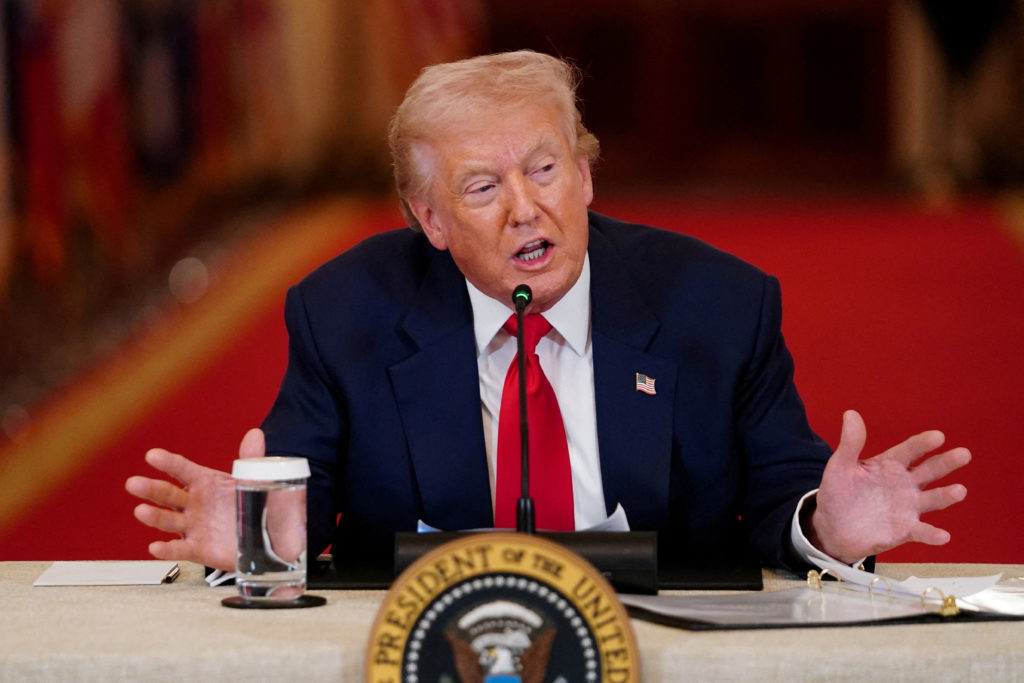
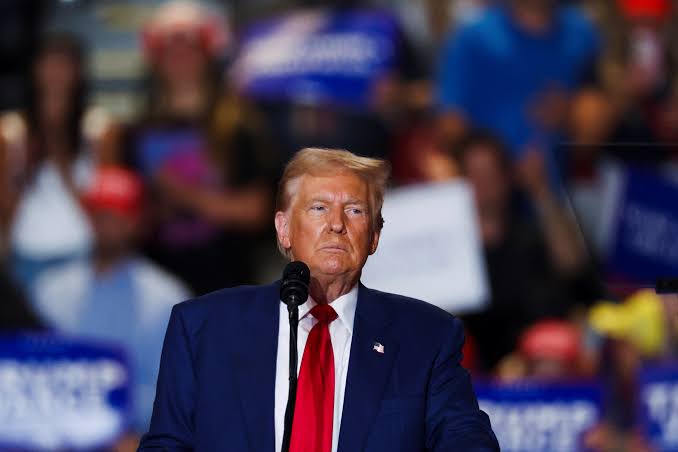
United States President, Donald Trump, has expressed dissatisfaction with the latest Iranian proposal aimed at ending the ongoing two-month conflict, according to a US official, casting fresh uncertainty over diplomatic efforts to resolve a war that has disrupted global energy markets, driven inflation higher, and left thousands dead.
Iran’s revised plan reportedly suggests postponing any discussion on its nuclear programme until after the war ends and disputes over maritime shipping in the Gulf are settled.
However, Washington maintains that nuclear issues must be addressed from the outset, a position that reportedly left Trump unimpressed following a Monday briefing with his advisers.
The US official, speaking anonymously, said the president was unhappy with Tehran’s approach because it fails to align with Washington’s negotiating framework.
White House spokesperson Olivia Wales said the administration would not engage in public negotiations. “The US ‘will not negotiate through the press’ and has ‘been clear about our red lines’,” she stated, as the Trump administration continues its military-backed campaign alongside Israel against Iran.
A nuclear agreement signed in 2015 between Iran and several world powers, including the United States, had significantly limited Iran’s nuclear activities. Tehran has consistently maintained that its programme is peaceful. However, the deal collapsed after Trump withdrew the US during his first term in office.
Diplomatic momentum has slowed further after Trump cancelled a planned trip by his special envoy Steve Witkoff and son-in-law Jared Kushner to Islamabad. The cancellation came as Iranian Foreign Minister Abbas Araqchi made multiple visits to the Pakistani capital during shuttle diplomacy efforts over the weekend.
Araqchi also travelled to Oman before heading to Russia, where he met President Vladimir Putin and reportedly received political backing from Moscow, a long-standing ally of Tehran.
As negotiations stall, oil markets reacted sharply, with prices rising again in early Asian trading on Tuesday amid fears of prolonged disruption.
“For oil traders, it’s not the rhetoric that matters any more, but the actual physical flow of crude oil through the Strait of Hormuz, and right now, that flow remains constrained,” said Fawad Razaqzada, analyst at City Index and FOREX.com.
Shipping data indicates that at least six oil tankers carrying Iranian crude have been turned back toward Iran in recent days due to US enforcement actions, highlighting the growing strain on maritime trade routes.
Iran’s Foreign Ministry strongly condemned the seizure of its linked vessels, describing the actions as “outright legalization of piracy and armed robbery on the high seas” in a statement shared on social media.
Before the conflict, between 125 and 140 vessels passed through the Strait of Hormuz daily, according to Kpler and SynMax data. However, recent figures show that only seven ships have crossed in the past 24 hours, with none carrying oil destined for global markets.
Meanwhile, Trump is facing mounting domestic pressure as his approval ratings decline, with critics questioning shifting justifications for the ongoing war.
Araqchi told reporters in Russia that Trump had requested negotiations because the United States has failed to achieve its strategic objectives.
Senior Iranian officials, speaking on condition of anonymity, said the proposal delivered in Islamabad outlines a phased approach to talks. The initial stage would involve ending hostilities between Iran, the US, and Israel, along with guarantees that military action would not resume.
Subsequent discussions would address the US naval blockade and the status of the Strait of Hormuz, which Tehran seeks to reopen under its own control. Only after these steps, they said, would broader negotiations take place, including the long-running dispute over Iran’s nuclear programme.
Iran is also reportedly insisting on some form of US recognition of its right to enrich uranium as part of any final agreement.