Relatives of those killed during the 1989 Tiananmen Square crackdown in China have been prevented from visiting the graves of their loved ones ahead of the 37th anniversary of the tragedy, according to members of the Tiananmen Mothers group.
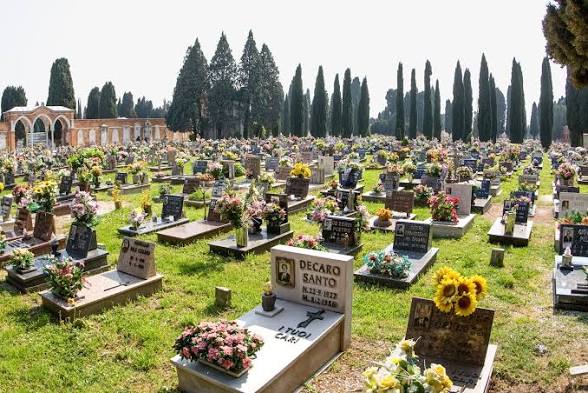
The group told Radio Free Asia that officials from the Beijing Municipal Security Bureau informed them they would not be permitted to enter Wanan Cemetery on June 4, where many victims of the military crackdown are buried. The decision also blocks the annual memorial ceremonies that families have traditionally held there for more than three decades.
Speaking to RFA, Tiananmen Mothers member Zhang Xianling said the restrictions mark an unprecedented departure from past practice. “These actions, which used to be routine, are no longer permitted. Now we aren’t even allowed to go there, which is something that has never happened before,” said Zhang Xianling, 89.
In response, the group submitted a protest letter to authorities, describing the decision as “unreasonable” and calling for the ban to be reversed.
The Tiananmen Square crackdown on June 4, 1989, resulted in the deaths of hundreds of pro-democracy demonstrators and civilians. Despite its historical significance, the incident remains heavily censored in China and is largely absent from official public discourse.
For many years, members of the Tiananmen Mothers were allowed to visit Wanan Cemetery under police supervision each anniversary to pay tribute to family members who died during the crackdown. Zhang said she had intended to continue that tradition this year but has been under intensive monitoring since May 28.
“There are two security guards at the community entrance, two police officers downstairs, and two cars – one police car and one civilian police car,” said Zhang, 89. “The precautions are so strict, not to mention phone calls from foreign journalists.”
Zhang’s son, Wang Nan, was a 19-year-old student at Beijing’s Yuetan High School when he was killed. According to records compiled by the human rights organisation Human Rights in China, he was shot during the military operation that enforced martial law in the early hours of June 4. The bullet struck the left side of his forehead and exited behind his left ear, piercing the back of his motorcycle helmet.
Following the crackdown, soldiers reportedly buried Wang and other victims in a shallow grave near Tiananmen Gate. Heavy rainfall later exposed the burial site, leading authorities to move the bodies to a hospital morgue. Wang was initially misidentified as a soldier because he was wearing an old military uniform after recently completing training. His family eventually recovered his remains several days later, and his ashes were subsequently laid to rest at Wanan Cemetery.
The Tiananmen Mothers have long demanded a full accounting of the events of June 4, including public disclosure of the truth, official responsibility for the killings, and compensation for affected families. As the anniversary approaches each year, members of the group frequently face surveillance, movement restrictions, and limitations on communication with the outside world.
Critics have condemned the latest restrictions as particularly harsh. A Beijing-based dissident identified only by the surname Wu told RFA that preventing bereaved families from carrying out memorial rites was deeply troubling.
“It has been over 30 years,” Wu said, “and now even their right to go to the cemetery has been stripped away. This is all so sudden.”