Russia will continue shipping oil to Cuba, ambassador to Havana, Viktor Coronelli, said on Thursday, despite growing pressure from the United States on countries that provide fuel to the Caribbean nation and Washington’s designation of Cuba as a national security concern.
“We assume that this practice will continue,” Russian Ambassador Viktor Coronelli told state news agency RIA, reaffirming Moscow’s long-standing energy relationship with Havana.
His remarks come as the United States steps up diplomatic and economic measures targeting Cuba.
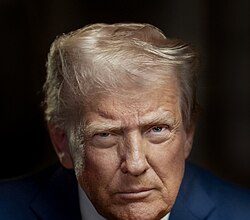
Last week, US President Donald Trump proclaimed a national emergency in relation to Cuba, describing the island’s government as an “unusual and extraordinary threat” and warning of tariffs against any country that supplies oil to Havana.
The tougher stance, designed to further isolate Cuba’s leadership and restrict its access to fuel, has already begun to disrupt established oil supply channels.
Venezuela, once Cuba’s main oil provider, has suspended shipments under US pressure, worsening fuel shortages, driving up food and transportation costs, and triggering prolonged power outages, including in Havana.
Cuban authorities have sharply criticized the US actions, with officials describing the threatened tariffs and sanctions as an effort to “suffocate” the country’s economy and erode its sovereignty.
Public demonstrations and official statements have highlighted widespread concern over the risk of additional disruptions to vital energy supplies.
Russia’s renewed assurance highlights the strategic importance Moscow places on its relationship with Havana, even as tensions with Washington continue to escalate.
For years, Russia and Cuba have cooperated closely on energy matters, with Moscow previously committing to deliver substantial quantities of oil and refined products under bilateral agreements.
Analysts note that while continued Russian shipments could provide short-term relief, Cuba’s overall energy situation remains fragile as geopolitical pressures intensify and other traditional suppliers pull back.