A teenage cave dweller is believed to have died in one of the earliest and most brutal bear attacks ever documented, according to new research examining ancient remains.
The boy, estimated to have been about 15 years old and later nicknamed “il Principe” or “the Prince,” is thought to have been searching for food roughly 27,000 years ago when the fatal encounter occurred.
His skeletal remains were discovered thousands of years later in 1940 by archaeologists at the Arene Candide Cave in what is now Italy, close to the city of Genoa, according to Preistoria Italia.
Examination of the remains revealed severe trauma.
Half of the jawbone and part of the left clavicle were missing, while the remaining jawbone and shoulder showed damage.
The skull and neck were fractured, and the fibula contained a puncture wound.
Researchers concluded that the most likely cause of death was a violent bear attack.
The teenager’s remains earned the nickname “the Prince” because of the elaborate burial, with a study published in the Journal of Anthropological Sciences attributing the injuries to a large carnivore, according to a report by Daily Mirror.
It stated: “Given the overall traumatic pattern, a bear attack … remains the most plausible explanation,” the researchers write.
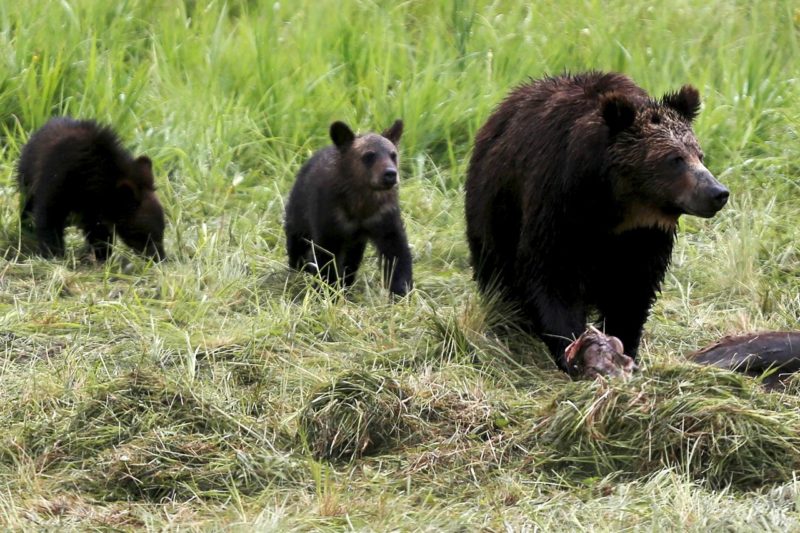
They suggest the attacker was either a brown bear or a now-extinct cave bear.
The study’s lead author, Vitale Stefano Sparacello, explained that encounters between humans and bears were possible despite the animals generally avoiding people.
“Lead study author Vitale Stefano Sparacello said: “We know that these people hunted bears, and that bears tend to avoid humans whenever they can, but a fortuitous encounter is still possible.”
Sparacello, a scientist at the University of Cagliari, told Live Science that the Prince was not the first individual found within the cave network. According to him, Upper Paleolithic hunter-gatherers used the caves as burial grounds for thousands of years.
Radiocarbon analysis dated the remains to between roughly 27,300 and 27,900 years ago, making it the oldest burial identified in that area.
Archaeologists found that the boy had been buried ceremonially. His body was laid on a bed of red ochre and decorated with a headdress made of deer teeth along with hundreds of shells. Ivory pendants, carved antlers and a long flint blade were also placed beside him.
Sparacello said: “He was probably a budding hunter still learning his skills when [the attack] happened.
Researchers believe the bear likely perceived the teenager as a threat and attacked him, even though the animal probably did not consume the body.
Further examination by Sparacello and his colleagues uncovered microscopic evidence that some of the damaged bones had begun to heal. This suggests the teenager survived the initial assault for a short period before dying.
Sparacello added: “He probably lost consciousness during the event and never regained it. Most likely the adolescent was not alone, because he was cared for immediately.”
The research team noted that considering the severity of the injuries, it is remarkable the boy survived as long as he did after the attack.
Fortunately, the animal did not sever any of the boy’s major veins or arteries, resulting in his death from a “secondary brain injury, internal hemorrhage or multiple organ failure.”
Sparacello noted: “It is possible that in the future we will do an amelogenin test on the dental enamel [to determine biological sex] or a full genetic study, but destructive analysis has to be done sparingly on these exceptional remains.”
Although the Prince was believed to be between 14 and 16 years old at the time of his death, the elaborate burial indicates he may have held a special place within his community. Another possibility is that the ceremonial burial served as a cultural response intended to prevent similar tragedies.
Anthropologist Lawrence Straus reflected on the discovery’s significance.
Anthropologist Lawrence Straus commented: “This is a glimpse into the humanity of those who lived during the last ice age.”