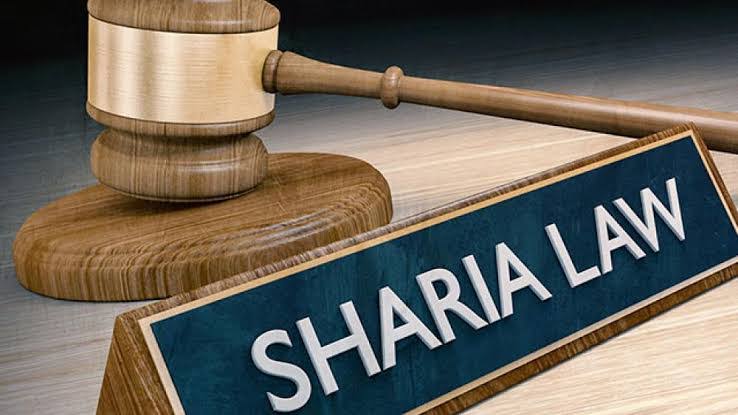
Christian and Muslim leaders in Southwest Nigeria have expressed opposing views over the proposed establishment of Shari’a arbitration panels in Ogun, Osun, Ondo, Ekiti, Oyo, and Lagos states.
The initiative, championed by the Supreme Council for Islamic Affairs, has stirred debates about its impact on religious harmony and legal practices in the region.
Muslim leaders advocating for the panels insist they are purely for arbitration among willing Muslims. Dr. Hammed Bakare, President of SCIA in Ekiti State, stated, “The panel is not a court but a mechanism to settle disputes in line with Islamic principles. It’s voluntary and for those who choose to abide by the Quran.”
Similarly, Dr. Rafiu Bello, Chairman of the Shari’a Committee of Oyoland, maintained that the panels would not disrupt societal peace. “This is our right under the Constitution. The panel is for inheritance disputes, marital conflicts, and other matters among Muslims. It’s not mandatory for anyone,” he explained.
Despite this, many Christian leaders and state authorities have expressed reservations. Dayo Apata (SAN), Attorney General of Ekiti State, argued, “The state already has customary and high courts to address issues concerning marriages and inheritance without controversy. Introducing a Shari’a panel isn’t necessary.”
Traditional rulers like the Ewi of Ado Ekiti, Oba Adeyemo Adejugbe, have also voiced concerns. He recently dissolved a Shari’a panel in Ekiti, citing the need for peaceful coexistence. “We cannot allow anything that could disrupt harmony in this community,” the monarch stated.
Christian leaders, including Pastor Joshua Opayinka of the Pentecostal Fellowship of Nigeria (PFN) in Ondo State, opposed the panels, calling them impractical for the region. “Why Shari’a courts here? It’s not possible. Can Christians have full worship freedom in the North? This raises concerns,” Opayinka said.
Afenifere, a Yoruba socio-political group, also criticized the move. Its organizing secretary, Abagun Kole Omololu, said, “Religion is secondary to Yoruba unity. Introducing religious laws like Shari’a undermines our tradition of peaceful coexistence.”
Meanwhile, some Islamic leaders defended the panels as long-standing practices in certain Southwest states. Professor Kamaldeen Balogun, Chief Imam of Egba Gbagura, Ogun State, clarified, “These are not courts but committees resolving personal issues among Muslims.”
The controversy remains, with proponents like Mallam AbulGaniy Ezra in Osun State insisting the panels are constitutional. “This is about granting Muslims their rights, as stated in Section 278 of the Constitution,” he noted.
While Muslim leaders emphasize the panels’ voluntary nature, critics worry about the implications for secularism and unity in the diverse region.