Frequent power outages, rising production costs and limited access to credit are slowing manufacturing growth in Nigeria, with businesses struggling to sustain operations amid persistent infrastructure challenges, the October 2026 Business Confidence Monitor by the Nigerian Economic Summit Group has shown.
The report indicated that manufacturing remained in expansion territory in October, but its Current Business Performance Index declined to 107.3 points from 108.4 points in September and 111.3 points in October 2025, reflecting a moderation in business activity.
It identified constant power outages, inadequate raw material supplies, high rental costs, limited access to credit and infrastructure deficiencies as major constraints facing manufacturers during the month.
According to NESG, these challenges continued to raise operating costs, despite sustained expansion in business activities across the economy.
The impact was particularly clear in key manufacturing subsectors. Textile, Apparel and Footwear slipped into contraction territory, with its performance index plunging to 99.7 points in October from 127.5 points in September.
Cement also remained in contraction at 94.5 points, while Food, Beverage and Tobacco was the only one of the three major manufacturing subsectors to record improved performance and remain in expansion territory.
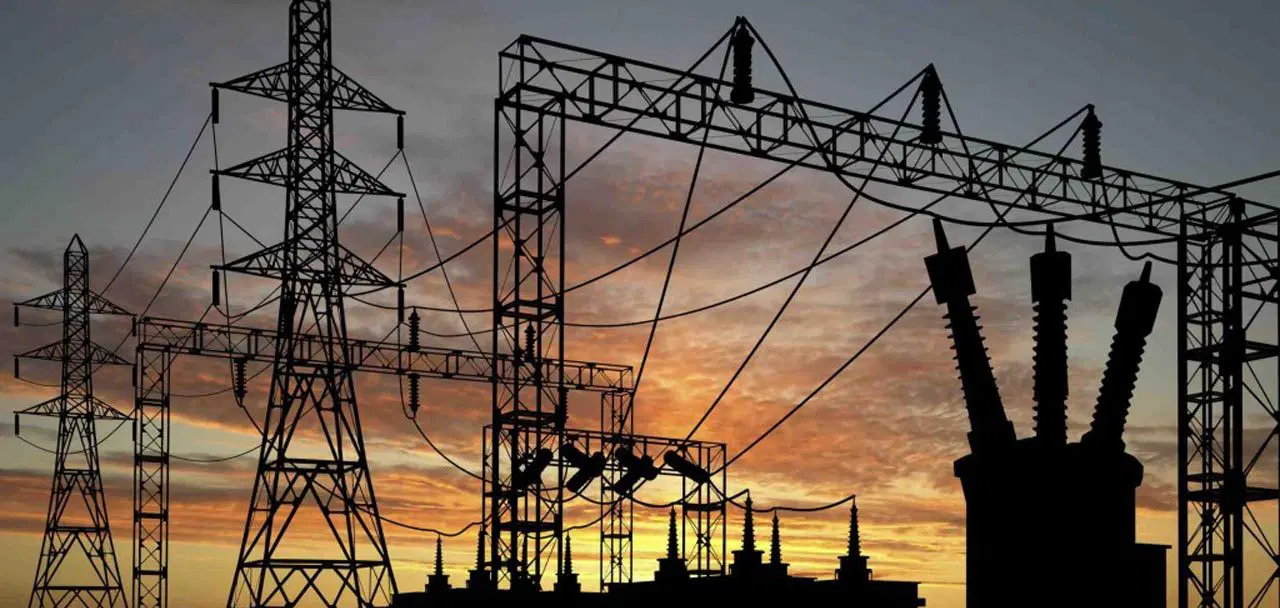
The report’s findings highlight the growing burden of unreliable electricity on manufacturers, who depend on stable power supply to run production lines, process raw materials and keep factories operating. Frequent outages force businesses to rely on alternative energy sources, adding to production costs and weakening their competitiveness.
At the broader economy level, Nigeria’s Current Business Performance Index moderated to 115.4 points in October from 117.8 points in September, although it remained above the 111.3 points recorded in October 2025.
All sectors remained in expansion territory, but only Trade and Services recorded improved performance compared with the previous month. Agriculture, Manufacturing and Non-Manufacturing experienced slower growth.
The cost pressures were also reflected in NESG’s business indicators. The cost of doing business sub-index stood at 45.2 points in October, while the prices sub-index was 65.5 points, both well below the 100-point neutral threshold, indicating that most firms continued to face elevated operating costs and producer prices.
Despite the challenges, the Future Business Expectations Index rose to 130.8 points in October from 128.9 points in September, signalling improved optimism about business conditions over the next one to three months.
Manufacturing recorded an expectations index of 145.1 points, behind Trade at 194 points, but ahead of Non-Manufacturing at 135 points.
NESG attributed the improved outlook largely to expectations of stronger consumer demand during the year-end festivities and ongoing campaign activities.