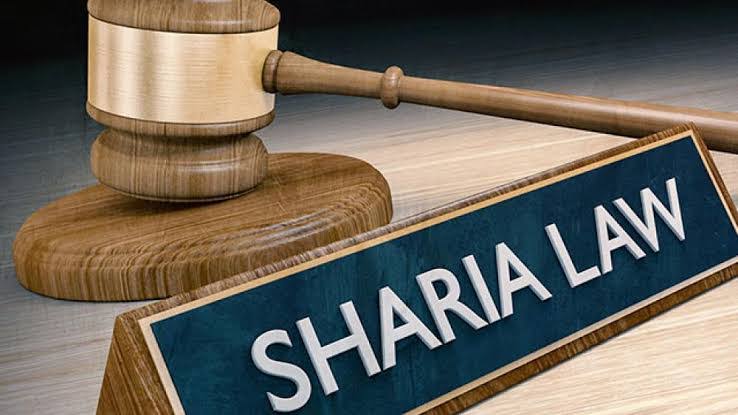
Leaders of 29 pan-Yoruba groups have strongly opposed moves to introduce Sharia Law in Yorubaland, describing it as a divisive agenda designed to destabilise the South-West.
In a joint statement made available to journalists, the groups, which include the Alliance for Yoruba Democratic Movements, O’odua Nationalist Coalition, and Federation for Yoruba Consciousness and Culture, warned that the proposal could undermine the region’s peace and multi-religious harmony.
The statement read, “We recognise the right to debate the future of Oduduwa’s children and the right to free speech, but Sharia is not feasible in a multi-faith region like Yorubaland. Our civilisation has thrived on the values of diversity, hard work, and respect for all faiths. Sharia is only applicable in societies where Islam is the state religion or where Muslims are in the majority.”
The leaders accused proponents of Sharia of trying to sow discord in the South-West. “This proposal is part of a larger agenda by non-Yoruba collaborators to destabilise the region and polarise our people. Sharia cannot improve the socio-economic and cultural development of Yorubaland,” they said.
The uproar over Sharia Law began in December 2024 when a flier from the Supreme Council for Shari’ah in Nigeria announced the inauguration of a Sharia court in Oyo State, scheduled for January 11, 2025. The announcement sparked widespread backlash, forcing the council to postpone the event indefinitely.
Dr. Bello Adisa, chairman of the committee behind the proposal, clarified that the planned panel was not a court but an arbitration panel for resolving family disputes among consenting Muslims. He expressed regret over the misunderstanding, stating, “It is not a court. We deeply regret any inconvenience caused by this misrepresentation.”
In Ekiti State, the Ewi of Ado Ekiti, Oba Adeyemo Adejugbe, ordered the dissolution of a Sharia panel set up at the Central Mosque in Ado Ekiti. Speaking at a meeting with community leaders and Muslim clerics, the monarch emphasized that the panel could threaten peaceful coexistence.
“The mood of the nation will not allow such to happen now,” Oba Adejugbe said. “If we permit this, other religious groups will want to set up similar panels, which could lead to crises. The committee stands dissolved.”
The Chief Imam, Sheikh Jamiu Kewulere, who initially defended the committee as an internal arrangement to address inheritance disputes, confirmed its dissolution. He added, “Muslims and adherents of other religions have been living peacefully, and we have no intention of disrupting that harmony.”
Meanwhile, the Ekiti State government reiterated that its legal framework does not recognise Sharia courts or arbitration panels. The Attorney-General, Dayo Apata (SAN), said last week, “The state operates under a unified legal system that does not accommodate Sharia law or panels.”
The pan-Yoruba leaders vowed to continue opposing the Sharia push, urging stakeholders to preserve Yorubaland’s cherished legacy of religious tolerance and unity.