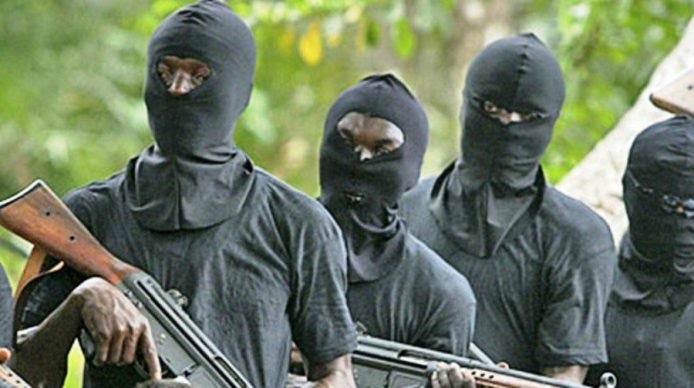
More than 17,000 people displaced by the activities of Boko Haram terrorists across Nigeria’s North-East remain unaccounted for, the International Committee of the Red Cross has said.
The ICRC spokesperson, Aliyu Dawobe, disclosed this in Lagos at the conclusion of a two-day training programme organised for journalists on humanitarian reporting.
Dawobe explained that the number of missing persons was previously put at more than 24,000 but had since dropped to over 17,000 following the loss of contact between the ICRC and some of the families affected by the conflict.
He said the organisation, through its humanitarian interventions, was continuing efforts to locate those still missing and facilitate their reunification with their families.
“Crisis in the North-East has been ongoing for over 16 years. Millions of people are in need of food. Over 3 million children from the affected families are malnourished.
“A lot of people have been separated from their loved ones for over 10 years. A lot of people have been displaced in the region,” he said.
The ICRC spokesperson stressed the importance of the media in drawing public attention to the difficult circumstances confronting people affected by the conflict.
According to him, the training was designed to strengthen journalists’ capacity to report humanitarian issues, particularly the experiences of people caught up in conflicts and displacement.
“The ICRC wants the media to take the lead in changing the pattern of reportage about people affected by conflicts in Nigeria.
“We want the stories to be focused on the sufferings of the affected people with a view to alleviating their pains.
“We want the media to raise concerns about the sufferings of people affected by the conflicts; to report real human-angle stories linked to the missing persons and the trauma they are facing,” he said.
Dawobe disclosed that 50 journalists participated in the training and encouraged them to apply the knowledge gained to improve the quality and impact of their reports.
He added that the programme was intended to provide journalists with greater access to human-angle stories capable of drawing attention to the experiences and needs of victims of armed conflicts in Nigeria.
Also speaking, a lecturer in the Department of Mass Communication at Bayero University, Kano, Dr Bala Muhammad, emphasised the need for journalists to deepen their knowledge of International Humanitarian Law (IHL) to improve the way conflict-related issues are reported.
“The training is on humanitarian journalism and conflict reporting. We want journalists to find ways to ameliorate the sufferings and hardships faced by victims of insurgency, militancy and other crimes.
“We want journalists to always place the victims at the centre of their stories. Human-angle stories are the most important,” he said.