




The Chief Executive Officer of Jumia Group, Francis Dufay, has offered an optimistic outlook on Nigeria’s economic trajectory, portraying the country as an emerging example of reform-driven growth and improving stability rather than one dominated by volatility and risk.
Dufay made the comments during a panel discussion on emerging markets at the Sohn Conference held in New York.
He used the platform to review recent economic headwinds across African economies and the gradual improvements being recorded as structural reforms take hold, According to Vanguard.
He observed that the years between 2021 and 2024 marked a particularly challenging period for several African markets, with Nigeria standing out as one of the most affected economies during that phase.
Dufay explained that the combination of exchange rate instability, weakening consumer purchasing power, and persistent inflation created a harsh operating environment. He noted that these conditions were especially difficult for businesses reliant on imports, logistics networks, digital payment systems, and consumer-driven retail activity.
He further highlighted that for companies like Jumia, which depend heavily on predictable pricing, efficient inventory planning, and stable payment systems, the volatility significantly strained operations and tested business resilience across the sector.
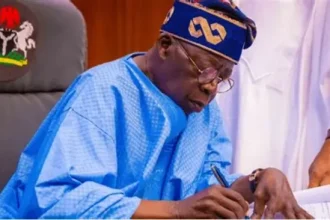
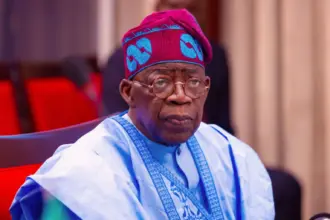
However, he argued that the severity of the economic pressures ultimately pushed both policymakers and private sector players toward necessary structural adjustments. According to him, Nigeria’s ongoing reform efforts, particularly under the administration of Bola Tinubu, are beginning to shape a new phase of macroeconomic stability.
He pointed to policy measures such as exchange rate unification, fiscal realignment, and broader structural reforms as steps gradually improving transparency and creating a more predictable environment for businesses operating within the formal economy.
“Nigeria was in a tough situation three or four years back,” he noted.
He added that these recent policy shifts are laying the groundwork for stronger and more sustainable economic stability across the country.
Dufay also stated that for digital commerce and e-commerce operators, a more stable economic environment enhances pricing consistency, improves supplier relationships, strengthens payment flows, and boosts investor confidence in Nigeria’s long-term market potential.