





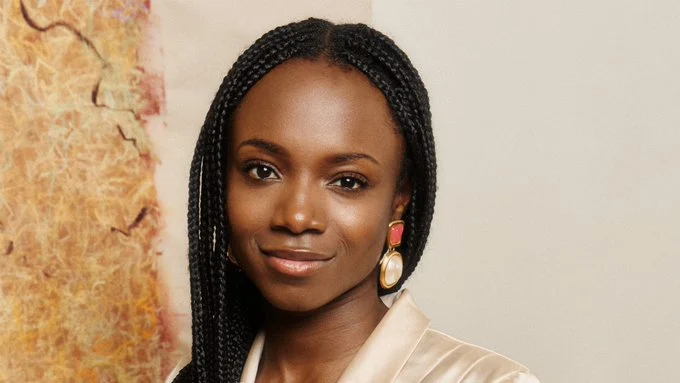
A Nigerian-American engineer and Harvard graduate, Yinka Ogunbiyi, has developed HaloBraid, described as the world’s first braid-assist robot designed to ease the physical strain on hairstylists and save time for salons.
The US Mission in Nigeria disclosed this in a post on X on Friday, saying the innovation had raised $7 million and attracted more than 7,000 salons to its waitlist.
“Nigerian-American engineer & Harvard grad Yinka Ogunbiyi built HaloBraid, the world’s first braid-assist robot, easing strain on stylists & saving salons time. $7M raised, 7,000+ salons waitlisted. American innovation, global impact,” the mission wrote.
The funding round was led by Seven Seven Six, the venture capital firm founded by Reddit co-founder Alexis Ohanian, with additional investments from AlleyCorp and Bling Capital.
The funding will support the market rollout of HaloBraid, which already has more than 7,000 professional hair salons on its waiting list.
Ogunbiyi holds a joint Master of Science and Master of Business Administration degree from the Harvard Engineering School and Harvard Business School and has a professional background in developing connected smart home appliances and consumer electronics.
The idea for HaloBraid emerged during the COVID-19 pandemic after Ogunbiyi spent four days installing her own protective knotless braids. Recognising the opportunity to apply technology to the labour-intensive process, she partnered with co-founder David Afolabi to develop an automated alternative.
However, the technology is designed to assist human hairstylists rather than replace them. The robotic system is designed to handle the repetitive mid-shaft braiding process, which accounts for a significant part of a typical salon appointment.
Under the system, the hairstylist begins the process by parting the scalp, sectioning the hair and creating the initial anchor knot by hand. The HaloBraid unit then attaches to carry out the repetitive braiding sequence before the stylist removes it to finish, trim and seal the ends according to the client’s preferences.
Addressing concerns that automation could dilute the cultural essence of heritage hairstyling, Ogunbiyi said, “I don’t think anything will get lost from the experience. If anything, it enriches it. Technology simply assists with the repetitive movements that consume the most time and place the greatest strain on the body.”
The technology is also designed to address the physical strain associated with professional hair braiding, including the repetitive hand, wrist and back movements that can affect stylists over years of work. By reducing the most physically demanding part of the braiding process, HaloBraid aims to help stylists increase their capacity, improve salon turnover and extend their working lives.
According to the report, nearly 95 per cent of surveyed Black women said they would opt for protective styling more frequently if salon visits were less exhausting and time-consuming. With the $7 million funding and a waiting list of more than 7,000 salons, Ogunbiyi’s HaloBraid is now moving from development towards commercial rollout.