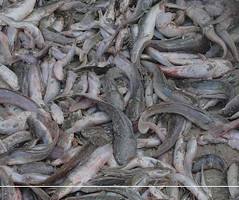





Thousands of dead fish have been discovered along a significant stretch of the Chattahoochee River near Atlanta, according to the nonprofit environmental group Chattahoochee Riverkeeper.
The alarming discovery was made early Friday morning by the organization’s executive director, Jason Ulseth, during a routine river patrol.
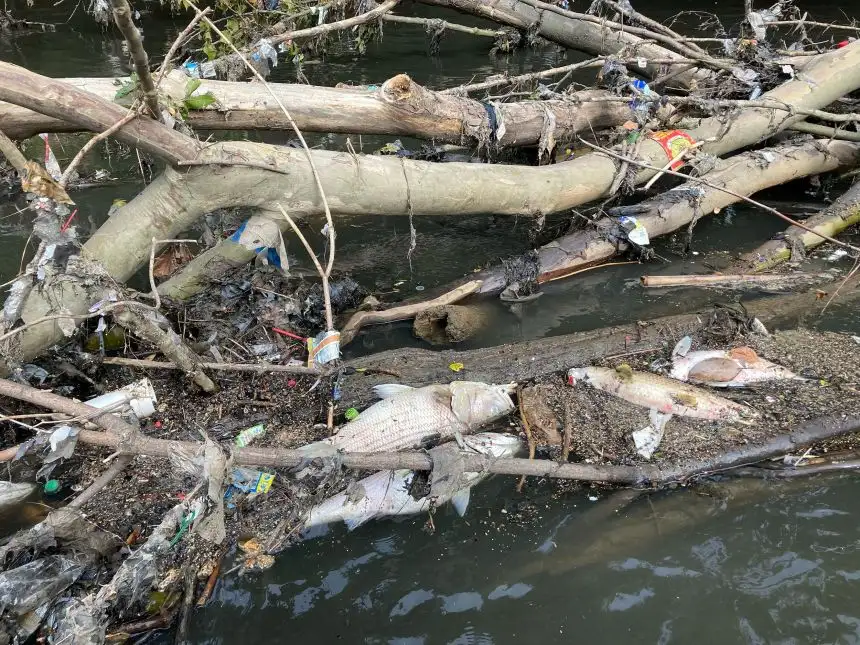
Ulseth reported that the fish kill extended across approximately 20 miles of the river in western Fulton County. Among the affected species were spotted bass, catfish, carp, shad, and striped bass. Dead fish were observed floating on the water’s surface, accumulating along shorelines, and becoming trapped in debris and low-hanging branches.
Investigators also noted the presence of an unidentified dark substance lining portions of the riverbank. The material reportedly emitted a strong odor and coated both the water’s surface and nearby ground areas.
“Seeing everything dead was simply catastrophic,” Ulseth said.
According to Ulseth, the large-scale fish mortality event followed a powerful thunderstorm earlier in the week that brought rainfall rates of up to three inches per hour across the Atlanta metropolitan area, resulting in widespread street flooding.
Efforts to determine the exact cause of the incident are underway, with Chattahoochee Riverkeeper participating in the investigation. Regulatory agencies are also assessing whether drought conditions and elevated air temperatures played a role in the event.
Officials explained that the river’s water levels were already unusually low because of a prolonged drought before the storm struck. As a result, the shallow river may have been unable to offset the effects of warm stormwater runoff heated by urban infrastructure.
“Following the heavy rainfall in the urban core, the river had limited buffering capacity to absorb nutrients and thermal load. The flow level in the Chattahoochee River was extremely low, while urban creeks carried high runoff. Elevated temperatures and the time of day may have contributed to additional thermal load and stress on aquatic organisms,” Lena Hardy opined.
Chattahoochee Riverkeeper has also suggested that stormwater drainage systems and discharges from the underground tunnel network designed to transport excess water may have worsened the situation.
“At this time, Riverkeeper says that low water flows due to drought, widespread polluted stormwater discharges from Peachtree Creek, discharges of untreated combined sewer overflows from the City of Atlanta into Peachtree Creek, and additional treated discharges from wastewater treatment plants into the river created conditions conducive to fish kills,” Chattahoochee Riverkeeper added.
During field investigations, Ulseth said crews found condoms, menstrual products, and wet wipes in and around the river, evidence he believes points to sewage contamination. Additional debris commonly associated with stormwater runoff was also documented alongside the dead fish.
He added that the affected section of the river begins near the point where the tunnel system’s overflow structure discharges into the Chattahoochee.
“According to Monday’s preliminary water quality data, the tunnel system was operating as designed and in line with permitted water quality standards. However, all laboratory tests are not yet complete, and regulators continue to study the river’s impact and the link to the fish kill,” Lena Hardy suggested.
Ulseth further noted that legal disputes concerning sewage pollution in the river have persisted since the 1990s and remain unresolved. Current investigations continue to focus on water quality conditions and the broader ecological effects of wastewater and stormwater discharges on the river system.