


For five days in September, London’s runways spoke with a distinctly Nigerian accent. From Shoreditch showrooms to the official British Fashion Council schedule, designers of Nigerian heritage didn’t just participate in London Fashion Week’s Spring/Summer 2027 season — they shaped some of its most talked-about moments.
London Fashion Week, organised by the British Fashion Council, ran from Thursday, September 17 to Monday, September 21, 2026.
This season carried the stamp of BFC chief executive Laura Weir’s second full year in charge, built around what she called an “exciting moment” for the event — the return of major British houses to the official calendar, including Alexander McQueen (with Seán McGirr presenting his London debut for the house), Burberry, Barbour, Simone Rocha, Erdem and a newly-helmed Mulberry under Christopher Kane.
Alongside those big names, the week leaned heavily on new talent, with debuts from BFC NEWGEN recipients and a fresh “Fashion Britain” initiative aimed at decentralising the industry beyond London and drawing in cities, retailers and communities across the UK. Retail also got a bigger seat at the table this season, with Marks & Spencer staging its first-ever “see now, buy now” runway show.
It was, in short, an edition built around a dialogue between fashion establishment and emerging voices — precisely the space where the season’s Nigerian names made their mark.
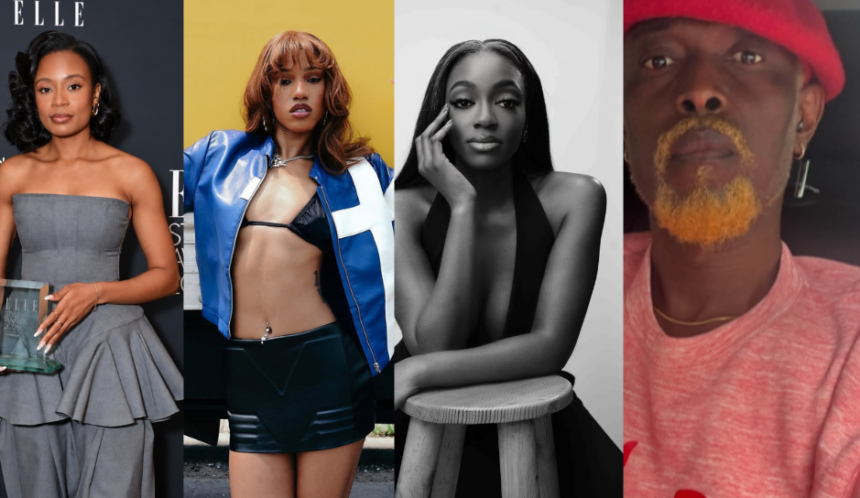
Tolu Coker
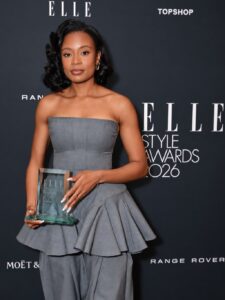
No British-Nigerian designer carries more momentum into this LFW than Tolu Coker. The Central Saint Martins graduate, who built her label in 2018 around themes of diasporic Black identity, deconstruction and sustainable craftsmanship, presented her SS27 collection on the closing day of the official schedule, Monday, September 21, at 12:30pm.
Coker also anchored a wider “Fashion Britain” programme this season, one that explored fashion alongside memory, migration, music, hospitality and cultural inheritance, complete with a listening room, exhibition and pop-up experience that ran through the weekend at Westfield Stratford City.
It’s a natural extension of a year that has redefined her profile: her AW26 show back in February drew a surprise visit from King Charles III — who sat front row beside Stella McCartney, with rapper Little Simz opening the show with a live performance — and by March, the Princess of Wales had worn one of Coker’s tailored coat dresses to welcome Nigerian President Bola Tinubu and First Lady Oluremi Tinubu on their state visit to the UK.
Speaking to the Press Association about that stretch of attention, Coker admitted it left her reflecting on what comes next for the label.
Mowalola
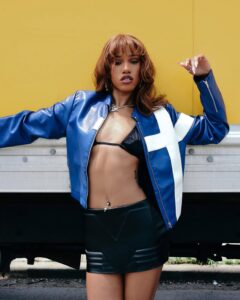
Mowalola Ogunlesi, the Nigerian-born, London-based designer known for silhouettes that blur the line between fashion, music and rebellion, showed as part of the evening schedule on September 18 — and this season came with a notable first: her debut collaboration with Jordan Brand.
It’s a milestone that pushes Mowalola further into the sportswear-luxury conversation, building on a reputation for challenging convention that has occasionally sparked controversy, most notably around a past collection referencing religious imagery that she later apologised for and withdrew.
Onalaja
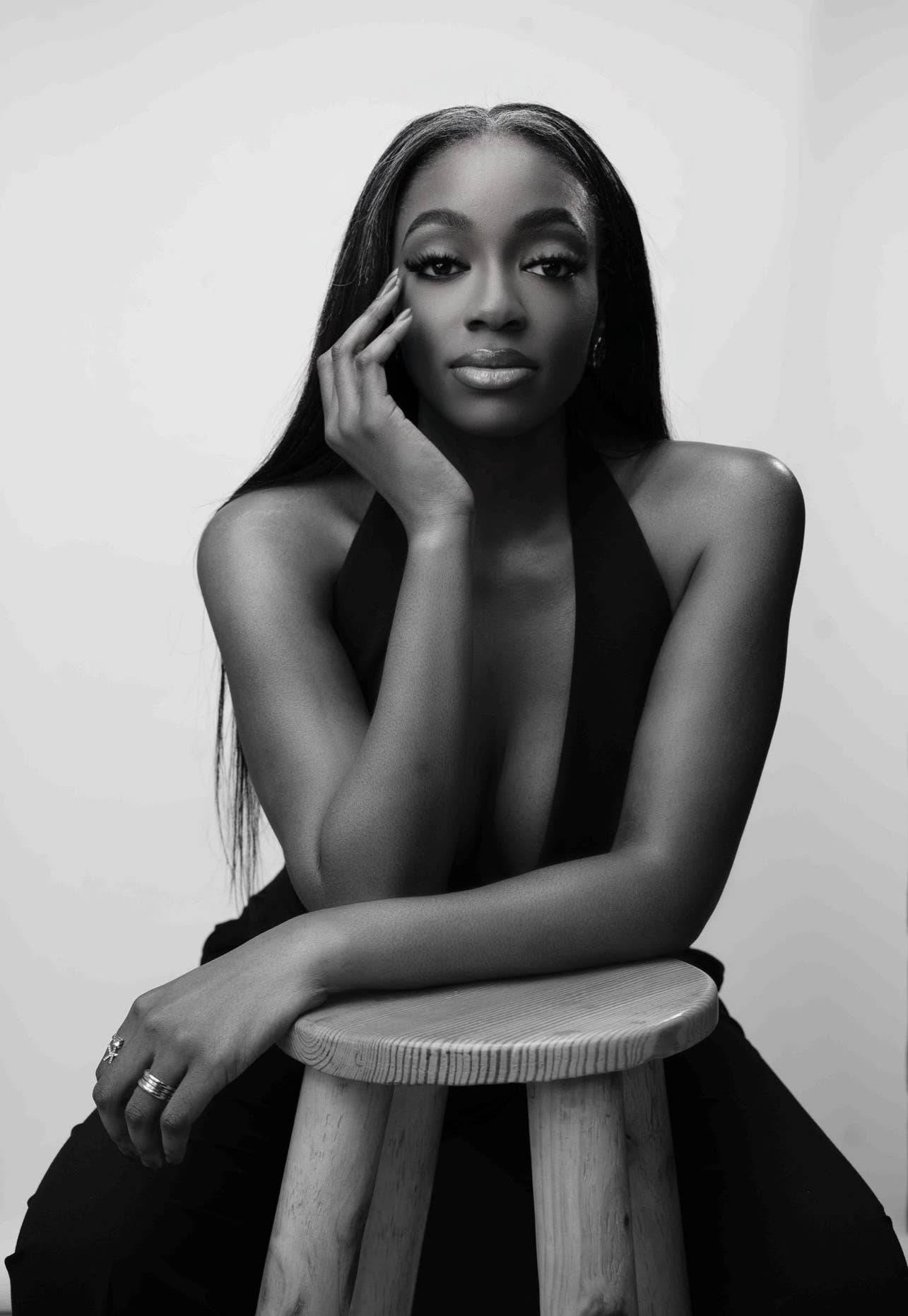
Kanyinsola Onalaja’s label made history this season with its catwalk debut on the official BFC schedule, presenting Sunday, September 20 at 6pm.
The brand — known for demi-couture that fuses contemporary tailoring with hand-beading, mesh work and traditional African embroidery — had previously turned heads with an off-site showcase at Lagos Fashion Week 2025.
Its move onto London’s official calendar this season, alongside brands like Joyce Bao and Lovebirds as new additions, marks a significant step up. Onalaja has also built a name for size inclusivity, offering a range that reportedly runs from XXS to XXXXL — still a rarity in luxury fashion.
NDOKI
Also drawing attention within London’s wider “Fashion Britain” and Fashion Discover showcases this season is NDOKI, the sustainable luxury label founded by UK-Nigerian creative Anthony Nwoke.
The brand takes its name from the Ndoki region of Abia State, home of the Akwete weaving tradition — a centuries-old Igbo handloom craft historically used for ceremonial wrappers, now finding new life in contemporary ready-to-wear. Coverage of NDOKI’s specific September showing remains thinner than for the bigger schedule names, so it’s worth following the brand’s own channels for full runway details.
Nigerians on London’s Runways
Nigerians have been shaping London Fashion Week for two decades. Duro Olowu, born in Lagos to a Nigerian father and Jamaican mother, remains something of a pioneer: he arrived on the London scene in 2004 and became the first designer ever named New Designer of the Year at London Fashion Week without staging a formal catwalk show, later dressing the likes of Michelle Obama and Solange Knowles.
Priya Ahluwalia, whose label Ahluwalia draws on both her Nigerian and Indian heritage, has been one of the more consistent Nigerian-descent names on the LFW schedule in recent years, praised alongside Coker and Onalaja for “dominating” the February 2026 season.
Beyond the runway itself, Nigerian star power has repeatedly claimed London’s front rows. Afrobeats icons Burna Boy and Wizkid famously sat front row at Burberry’s Spring/Summer 2024 show in September 2023, part of a broader pattern of Nigerian musicians and celebrities turning London Fashion Week into as much a cultural crossover moment as a runway event.
Taken together, this season’s wins for Coker, Mowalola, Onalaja and NDOKI aren’t an isolated spike — they’re the latest, and arguably strongest, chapter in a Nigerian fashion story that’s been building on London’s runways for years.