The Lagos State Government has unveiled plans to convert waste from abattoirs and slaughterhouses into biogas and organic fertiliser. This is part of efforts to improve sanitation and expand its waste-to-wealth programme.
The government disclosed the plan during a one-day workshop for abattoir operators in Ajah, Eti-Osa Local Government Area. The event was themed “Red to Green: From Waste Disposal to Resource Recovery.”
Lagos pushes resource recovery from abattoir waste
Permanent Secretary, Office of Environmental Services, Dr Gaji Omobolaji Tajudeen, said Lagos was moving away from simply disposing of waste. Instead, it was shifting towards recovering materials that could create economic value.
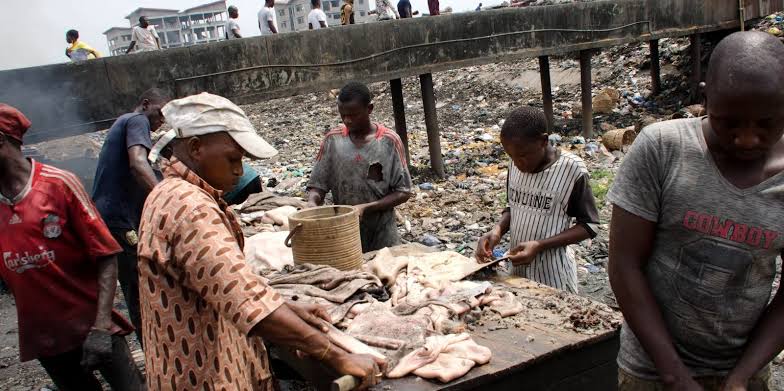
Represented by the Director of Public Sanitation Utility, Rahman Fagbolade, Gaji said abattoirs remained important to the state’s food system. However, they produced large quantities of blood, bones, horns, hooves, faecal matter, wastewater and other by-products.
He warned that poor handling of the waste could contribute to blocked drains, pollution, offensive odours and public health concerns.
Gaji said some of the materials normally treated as waste could instead be processed into useful products.
He explained that organic waste could be converted into biogas and fertiliser. Meanwhile, bones, horns and hooves could provide raw materials for other industries.
Waste-to-wealth could create jobs
According to him, proper separation and processing of abattoir waste could open new opportunities for businesses. Also, it could create jobs and generate additional income for operators.
“When properly segregated, processed and managed, materials traditionally regarded as waste can become valuable resources that support enterprise development, job creation, additional income generation and the growth of a circular economy,” he said.
He identified regulation, education, innovation and collaboration as key areas needed to make the programme sustainable.
Gaji also urged operators to see compliance with environmental rules as more than a legal obligation. He noted that better waste practices could improve public health and strengthen consumer confidence.
The government encouraged young people and farmers to explore opportunities connected to environmental management and the reuse of organic waste.
Abattoir by-products offer business opportunities
During the workshop, environmental specialist Muyiwa Semowo also highlighted the commercial potential of materials generated from slaughterhouses.
He said bones, horns, hooves and other by-products could be processed for use in agriculture, manufacturing, pharmaceuticals, cosmetics and animal feed production.
Semowo urged operators to improve the way they separate, handle and process the materials. Thus, they can attract higher commercial value.
The Lagos government said the wider goal is to reduce pollution around abattoirs. Additionally, it aims to create cleaner facilities, new businesses and a stronger circular economy.