



Kwara State has surpassed national and global targets in combating Neglected Tropical Diseases, achieving over 90 percent therapeutic coverage in endemic Local Government Areas.
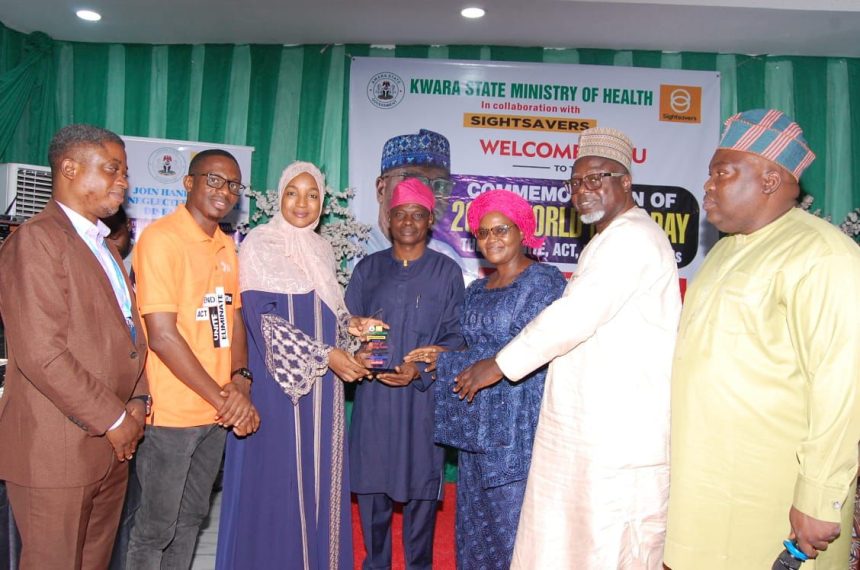
The State Commissioner for Health, Dr. Amina Ahmed-El-Imam, disclosed this on Friday during an event in Ilorin marking the 2026 World Neglected Tropical Diseases Day.
According to a statement from the ministry, the feat was achieved through sustained mass drug administration campaigns across all 16 LGAs in the state, exceeding the World Health Organisation benchmark of 65 to 80 percent coverage.
“The state Government had no doubt recorded a major milestone in public health with the successful interruption of the transmission of Neglected Tropical Diseases across the state’s 16 Local Government Areas,” the statement read.
Dr. Ahmed-El-Imam noted that the theme for this year’s commemoration, “Unite, Act, Eliminate NTDs,” calls for collective action towards eliminating the diseases. “Neglected Tropical Diseases disproportionately affect vulnerable and underserved populations, limiting productivity and denying children the opportunity to reach their full potential,” she said.
She highlighted the state’s progress in tackling onchocerciasis (river blindness), revealing that transmission has been successfully interrupted. “An entomological survey conducted captured over 3,000 black flies, the vector for onchocerciasis, and all tested negative for Onchocerca volvulus, the causative organism,” the commissioner stated.
The WHO Coordinator in Kwara State, Dr. Emmanuel Eyitayo, noted that about one billion people worldwide remain at risk of NTDs but stressed that the diseases are preventable and treatable. “By December 2025, 22 countries had eliminated at least one Neglected Tropical Disease,” he added, citing Niger Republic as the first African country verified by WHO for eliminating onchocerciasis.
The State NTDs Coordinator, Mrs. Christiana Bamgboye, advised residents to avoid swimming in rivers and seek medical attention when necessary, assuring that effective drugs are available. She listed prevalent NTDs in the state as Schistosomiasis, Soil-transmitted helminths, Lymphatic filariasis, and Onchocerciasis.