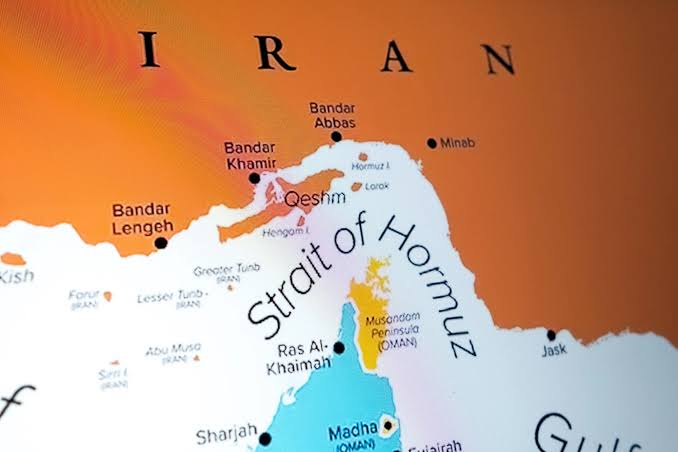
Iran has set a series of conditions for the Strait of Hormuz reopening. It is demanding compensation for wartime damage. In addition, it wants an end to sanctions and the lifting of a US naval blockade. These must be addressed before normal shipping can resume through the strategic waterway.
According to Reuters, Iranian Foreign Minister Abbas Araghchi said talks with Oman over new arrangements for vessels using the strait were close to an agreement. He stressedHowever, however,he stressed that reaching a maritime deal with Muscat would not automatically mean Iran would fully reopen the route.
Tehran has maintained tight control over shipping through Hormuz since the United States and Israel launched attacks on Iran in late February. TheseAs a result, these attacks disrupted a route that previously carried a significant share of the world’s energy exports.
Iran sets terms for Strait of Hormuz reopening
Mohammad Bagher Zolghadr, secretary of Iran’s Supreme National Security Council, outlined broader demands. These are demands that Tehran wants addressed before unrestricted shipping returns.
They include an end to the war and threats against Iran. The demands also include the lifting of US sanctions, the release of frozen Iranian assets and compensation for damage caused during the conflict.
Iran is also demanding an end to the US naval blockade of its ports. Furthermore, it wants Washington to halt what Tehran describes as aggression against Iran and its allies across Lebanon, Palestine, Yemen and Iraq.
The Islamic Revolutionary Guard Corps has taken an even firmer position. It is saying the reopening of Hormuz ultimately depends on the United States accepting Iran’s conditions. This is rather than simply on the outcome of negotiations with Oman.
Oman says negotiations making progress
Oman, which has been playing a mediation role, said negotiations on navigation arrangements were continuing in a positive and constructive atmosphere.
The discussions are focused on establishing new routes through the narrow waterway while broader political and security disagreements remain unresolved.
Iran has argued that the shipping arrangement used before the war is no longer acceptable. In addition, it has sought greater control over vessels moving through the strait.
The United States, however, has previously resisted proposals that could give Tehran authority over access to the strategic route.
Under one temporary arrangement being discussed, ships could enter the Gulf using a route closer to Iran. They could then leave through waters nearer Oman while negotiators work towards a more permanent settlement.
Fresh vessel attacks raise tension
Diplomatic efforts have continued alongside new attacks on commercial vessels.
The United Arab Emirates on Saturday accused Iran of firing a missile at a vessel linked to the Abu Dhabi National Oil Company. This happened while it travelled through the Strait of Hormuz.
No casualties were reported in the incident.
British maritime authorities also reported that a vessel was struck by an unidentified projectile off Oman. The impact caused a fire, which was later extinguished.
ADNOC said its shipping operations have faced repeated attacks since the conflict began. This situation further highlights the risks confronting commercial vessels attempting to use the waterway.
Washington signals willingness to ease blockade
Despite the disagreement over Iran’s conditions, Washington has also indicated that progress towards restoring commercial shipping could lead to concessions.
A US official said the United States would lift its blockade of Iranian ports once an agreement guaranteeing commercial shipping without obstruction was implemented.
The latest demands therefore leave a potential agreement hanging on more than navigation arrangements alone.
While Iran and Oman appear closer to resolving some technical questions over shipping routes, Tehran is tying the full reopening of one of the world’s most important energy corridors to much wider demands. TheseIn particular, these demands concern the war, sanctions and its relationship with the United States.