The Hamas disarmament framework could represent the most credible step yet towards ending the Gaza war, following months of difficult negotiations between the parties involved.
According to the BBC, Hamas has accepted a framework under the Board of Peace’s plan for the group to disarm in Gaza. The proposal would place its remaining heavy weapons under Palestinian supervision for documentation and secure storage.
The development could remove one of the biggest obstacles facing the Trump-backed peace initiative. However, uncertainty remains over whether Hamas, Israel and other parties will fully honour their commitments.
Negotiations reportedly lasted several months and involved serious disagreements over the wording and implementation of the proposal. Hamas resisted any arrangement that suggested it would hand its weapons directly to Israel.
A senior Hamas official involved in the negotiations described the discussions as long and extremely difficult. The movement reportedly insisted on the phrase “inventorying and storing weapons” under Palestinian oversight.
The wording allows Hamas to present the decision as a Palestinian-managed security arrangement rather than a surrender to Israel. This distinction appears to have played an important role in securing the movement’s acceptance.
Hamas disarmament framework follows leadership change
The agreement emerged shortly after Hamas completed internal leadership elections. The process brought Gaza-based leader Khalil al-Hayya to the head of the movement.
Palestinian officials involved in the talks believe the new leadership was prepared to make a major political compromise. They described the decision as one of the most consequential in Hamas’s history.
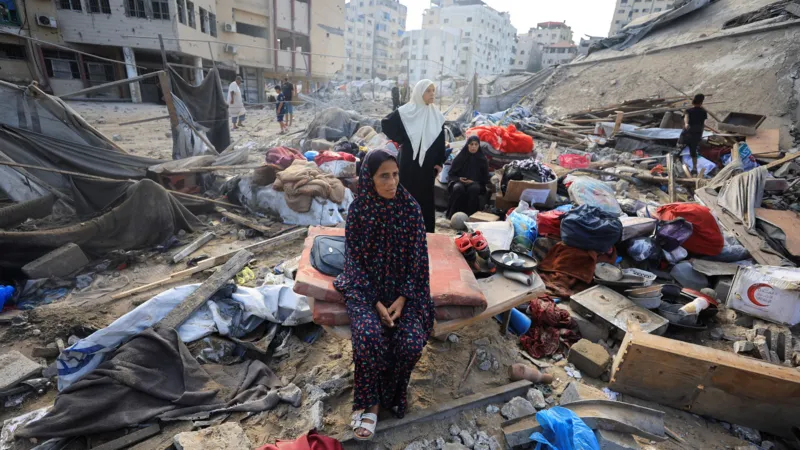
The worsening humanitarian crisis in Gaza reportedly influenced the decision. More than two million Palestinians have faced displacement, destruction and severe shortages during the prolonged conflict.
Hamas has also faced growing pressure over its continued possession of weapons. Disarmament remains central to negotiations on Israeli withdrawal, reconstruction and future governance in Gaza.
Under the emerging framework, the group’s heavy weapons would be identified and stored through a Palestinian-controlled process. Further details about monitoring, enforcement and the treatment of other armed groups remain unclear.
The wider peace proposal also seeks to establish a new Palestinian administrative structure in Gaza. International partners would support security, reconstruction and the restoration of essential services.
Major questions remain over implementation
Despite the reported breakthrough, the Hamas disarmament framework remains fragile. Accepting a broad proposal does not guarantee that weapons will be collected or permanently removed from use.
Israel has repeatedly demanded the complete disarmament of Hamas and other armed groups. Israeli authorities may reject any arrangement they believe allows the movement to retain military influence.
Hamas could also withdraw from the process if it believes Israel is failing to meet its obligations. The group has previously linked disarmament to Israeli withdrawal and wider political guarantees for Palestinians.
The sequence of implementation could therefore become another major source of disagreement. Both sides may demand that the other fulfil its commitments before taking irreversible steps.
The future of Hamas’s tunnels, smaller weapons and security personnel also requires clarification. Negotiators must determine who will verify compliance and respond to alleged violations.
Previous ceasefire agreements have broken down after disputes over implementation. That history has created deep mistrust among Palestinians and Israelis.
Gaza residents react cautiously
News of the potential agreement produced little visible excitement among residents of Gaza. Many Palestinians remain sceptical after years of failed negotiations and temporary ceasefires.
Some residents who reacted online said the details of the political arrangement mattered less than its results. Their immediate concerns include ending attacks, returning home and receiving reliable humanitarian assistance.
Displaced families also want guarantees that reconstruction will begin and essential services will return. Many communities have suffered extensive damage to homes, hospitals, roads and public facilities.
Confidence in both Hamas and Israel remains low. Previous agreements repeatedly collapsed before creating lasting improvements for civilians.
For many Palestinians, the true test will be whether the latest plan ends the violence. They also want it to allow displaced people to return safely and rebuild their lives.
Possible path towards broader peace talks
A successful disarmament process could open the way for wider political negotiations. It could also support reconstruction efforts and the creation of a new administrative system in Gaza.
The framework may provide a basis for further discussions on security, Palestinian governance and Israel’s military withdrawal. International mediators would still need to bridge major differences between the parties.
The deal’s significance therefore depends entirely on implementation. Delays, violations or disagreements over supervision could quickly undermine the progress already made.
However, Hamas’s willingness to accept any formal framework concerning its weapons marks a notable shift. The group had previously resisted demands for complete disarmament without wider political and security guarantees.
After nearly three years of war, the development offers a cautious opening. Whether it becomes a genuine path to peace will depend on the actions that follow the announcement.