


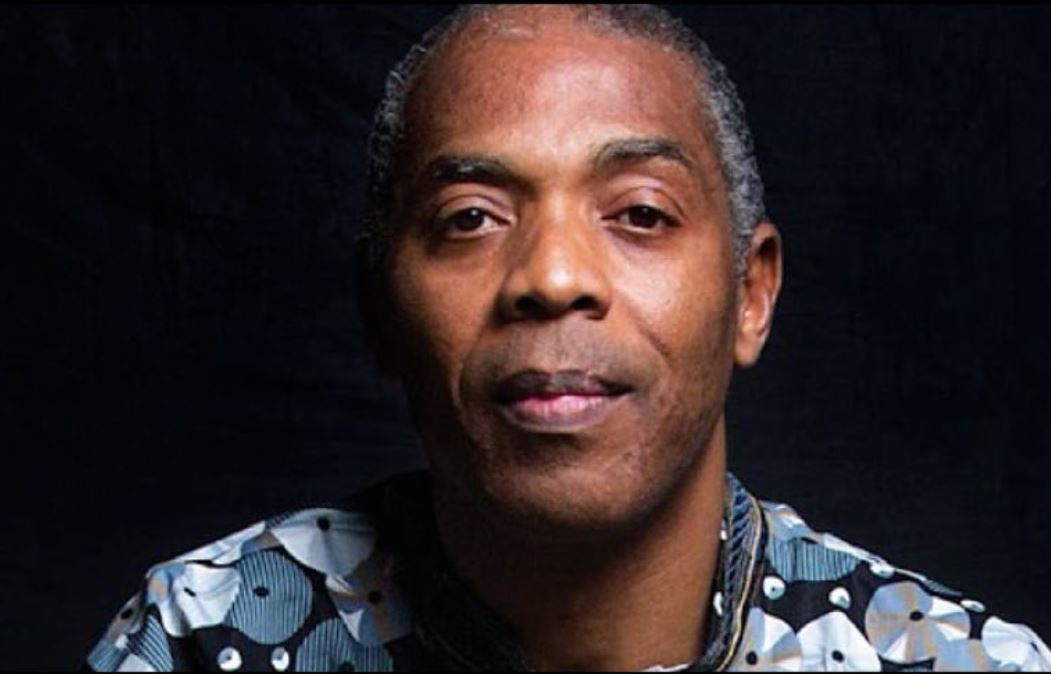
Afrobeat legend Femi Kuti has described the recent debate comparing his late father, Fela Anikulapo Kuti, with contemporary star Wizkid as an unnecessary distraction, urging Nigerians to focus on pressing national issues instead.
Speaking in an interview with ARISE News on Friday, Kuti emphasized Fela’s unique legacy. “Fela should be put in a sector of his own, being idolised and respected. This matter should not have arisen; we should be focused on how to save Nigeria.”
He reiterated this point when addressing the comparison directly: “Fela is our father. He should be placed in a sector of his own. We idolise him and respect him. Wizkid is like a son to me, Seun is my brother. That comparison should never have arisen.”
Kuti’s comments came as he reflected on the posthumous Grammy Lifetime Achievement Award recently conferred on Fela. He described the honour as a global recognition of his father’s lifelong resistance against military oppression and injustice.
“Everybody is very happy. We’re excited,” he said. “It’s very hard to really explain — unless you were alive in the 1970s — what my father did, fighting dictatorship in Nigeria at that time.”
He recounted the brutal repression Fela faced, including the burning of the Kalakuta Republic and the death of his grandmother, Funmilayo Ransome-Kuti, from injuries sustained after being thrown from a window during a military raid.
Reflecting on Nigeria’s current state, Kuti expressed frustration that the nation continues to grapple with the same issues Fela protested decades ago. “Africa — Nigeria — should be the envy of the world… It’s shameful that we are still struggling to build roads. One kilometre can take years. What is so hard about making Nigeria great?”
He urged young Nigerians to shift their focus from divisive debates to demanding good governance. “If young people don’t take the baton and demand good governance, we are going to be in serious trouble. Fela spoke, he’s gone. It’s 29 years now, and we’re still talking about the same problems.”
Kuti concluded with a sobering note on his own career: “I’ve been in music for over 40 years, and 90 per cent of my songs are political. How long will we keep talking about corruption, kidnapping and poverty? When will Nigeria finally come together to build a nation?”