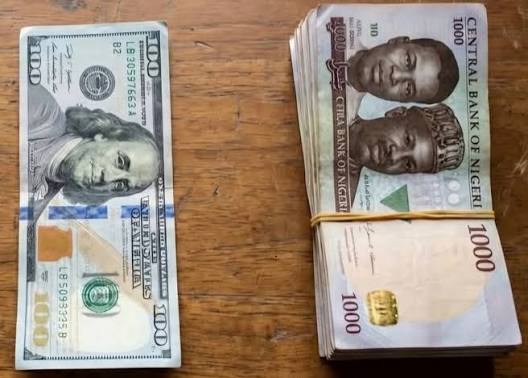
The Dollar to Naira rate remained relatively stable on Friday, August 7, 2026. The currency traded around ₦1,368.22 per dollar at the official foreign exchange market.
According to figures from the Central Bank of Nigeria and market data, the naira continued to trade within a relatively narrow range at the Nigerian Foreign Exchange Market. Meanwhile, traders monitored dollar supply and demand.
At the parallel market, commonly called the black market, dealers quoted the dollar at around ₦1,405. This left a gap of roughly ₦37 between the unofficial rate and the official market level.
The difference between both markets remains considerably narrower than the wide gaps recorded during periods of intense foreign exchange pressure in 2024. Additionally, the gap was also wide in parts of 2025.
Dollar to Naira rate at official market
The official Dollar to Naira rate stood at about ₦1,368.22 per dollar at the NFEM.
The rate reflects transactions completed in the official market, where banks and other authorised participants buy and sell foreign currency.
Recent trading has kept the naira around the ₦1,360 range, pointing to relatively limited volatility in the formal market.
The Central Bank of Nigeria operates the NFEM under a willing-buyer, willing-seller system. This allows demand and supply to play a major role in determining exchange rates.
Dollar trades around ₦1,405 in parallel market
The dollar changed hands for about ₦1,405 in the parallel market on Friday.
However, black-market rates can differ depending on the location, volume of currency being exchanged and individual dealers.
Retail demand from travellers, importers and other users seeking quick access to foreign currency continues to influence activity in the unofficial market.
The CBN does not recognise the parallel market as an official source of foreign exchange. It encourages individuals and businesses to use authorised financial institutions.
What could affect the naira next
Analysts are watching Nigeria’s foreign reserves, crude oil earnings and foreign investment inflows for clues about the naira’s direction. This is especially true in the coming sessions.
Improved dollar supply from exporters and foreign investors could support the currency. In contrast, stronger demand for imports and overseas payments may place fresh pressure on it.
Businesses with the required documentation are expected to obtain foreign exchange through banks and the official market.
Individuals buying dollars outside official channels may encounter different rates because parallel-market prices can change several times during the day.