


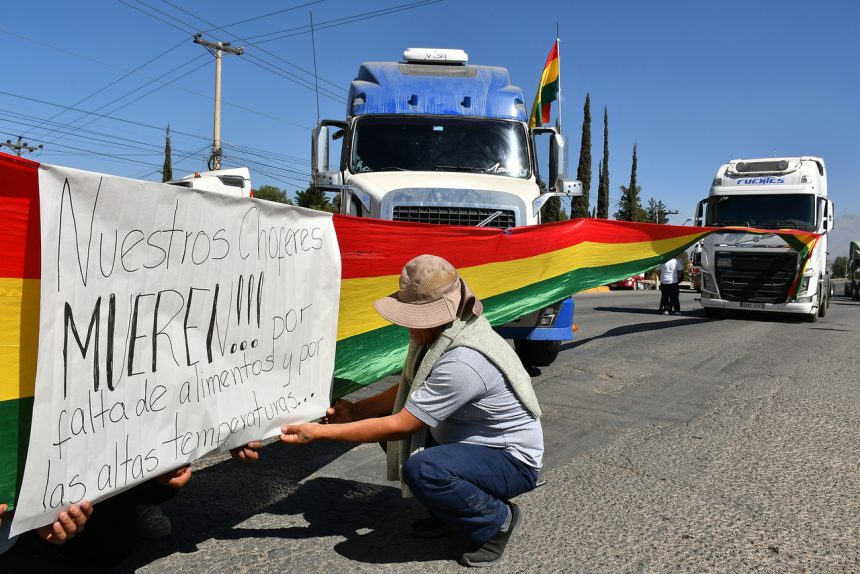
Roadblocks that have disrupted access to Bolivia’s major cities for weeks began to ease on Monday, offering some relief to transportation networks.
However, shortages of fuel, food and other essential supplies continued to affect residents after more than a month of nationwide protests against President Rodrigo Paz.
The demonstrations are aimed at opposing the center-right leader’s economic reform agenda, which is backed by the United States and intended to dismantle policies implemented during two decades of socialist governance.
Protesters are also demanding Paz’s resignation.
According to the Bolivian Highway Administration, the number of roadblocks restricting the movement of goods into key urban centers, including La Paz, has fallen significantly over the past two weeks, dropping from more than 100 to about 50 as of Monday.
In La Paz, residents formed lengthy queues stretching several blocks outside a government-run supermarket following reports that discounted chicken was available for sale.
Despite the partial restoration of transport routes, prices in privately owned stores in both La Paz and neighboring El Alto remained elevated. Consumers continued to pay nearly double the normal cost for meat and vegetables.
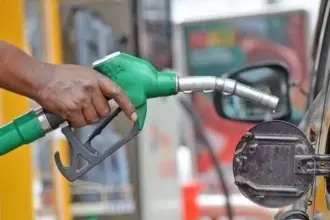
The supply crisis has also affected the healthcare sector, with hospitals reporting shortages of medicines. Fuel scarcity remains a major concern, forcing motorists to spend days waiting at filling stations.
Among those affected was Paola Herrera, a 50-year-old employee of a trucking company, who spent five hours in line to purchase a chicken under a one-per-customer policy.
“Everyone is suffering and the government makes no decisions. It is hoping protesters get tired or bored and lift the blockades,” she told Agence France-Presse.
The protest movement is largely driven by workers, farmers, miners, truck drivers and teachers who oppose Paz’s strategy for addressing Bolivia’s most severe economic downturn in four decades.
Paz assumed office just seven months ago, bringing an end to 20 years of socialist rule in the South American nation.
Efforts by the government to open dialogue with protest leaders have so far failed, with major labor unions rejecting calls for negotiations. In response, Paz has indicated that he may consider deploying the military and imposing a state of emergency, measures that could restrict freedoms such as assembly and movement.
The president has also alleged that those demanding his resignation are being influenced by “narcoterrorists” linked to , the former socialist leader.
Morales, Bolivia’s first Indigenous president, is reportedly in hiding in the coca-producing region of Chapare while facing allegations of trafficking a minor. He has denied the accusations.