Maha Christopher
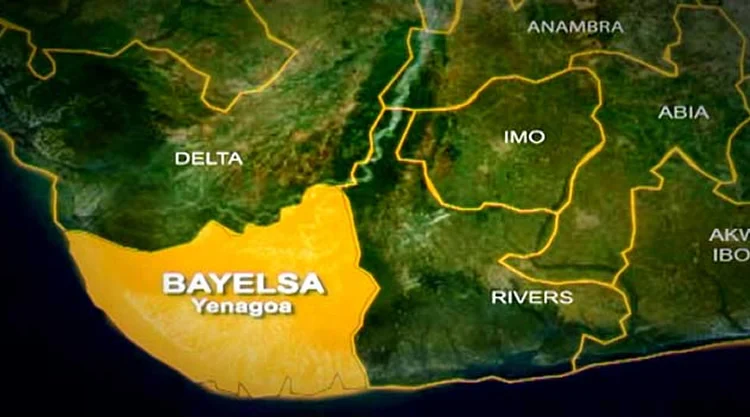
Residents of the Nembe-Okiori communities in Bayelsa State have expressed concern over the impact of oil pollution on their environment, saying years of contamination have led to a significant decline in aquatic resources that once sustained their livelihoods.
According to The Punch, the communities, located within the Nembe-Okiori oilfield area, alleged that pollution from oil exploration activities has affected rivers, creeks and mangrove ecosystems, leading to the scarcity of seafood such as lobsters, bonga fish and periwinkle.
Speaking during a three-day leadership training programme organised by Anatolia Energy and Services Limited in Yenagoa, the Chairman of the Board of Trustees of the Nembe-Okiori Host Communities Development Trust, Chief Isaiah Youngdede, said environmental degradation had negatively affected fishing, the main source of income for many residents.
Youngdede explained that the eight communities hosting the Nembe-Okiori oilfield are largely fishing settlements and are already vulnerable to flooding and coastal erosion.
He said recurring pollution incidents have worsened conditions by damaging aquatic habitats and reducing fish populations.
“The mangrove ecosystem is very important to our people because it serves as a natural habitat for many species of fish and seafood. Once those mangroves are polluted, the fishes can no longer migrate into those areas to breed as they used to,” he said.
“The result is what we are experiencing today – declining fish stocks and increasing hardship for local fishermen.”
Youngdede added that many families that depend on fishing for survival are facing growing economic difficulties due to dwindling catches.
“Our communities are exposed to a lot of pollution from the neighbouring oilfields. You have widespread environmental degradation and polluted surroundings. The people are unable to catch periwinkle, lobsters and bonga fish in the mangroves as they used to,” he said.
“Many families are now merely surviving from hand to mouth.”
The community leader also questioned the adequacy of the three per cent Host Community Development Fund provided under the Petroleum Industry Act, describing it as insufficient to address the environmental and developmental challenges facing host communities.
He called on development partners, donor agencies and environmental organisations to support efforts aimed at restoring degraded ecosystems, improving livelihoods and strengthening climate resilience in affected communities.
Participants at the training programme also urged greater collaboration among host communities, government agencies and oil companies to address environmental degradation and promote sustainable development in the Niger Delta.