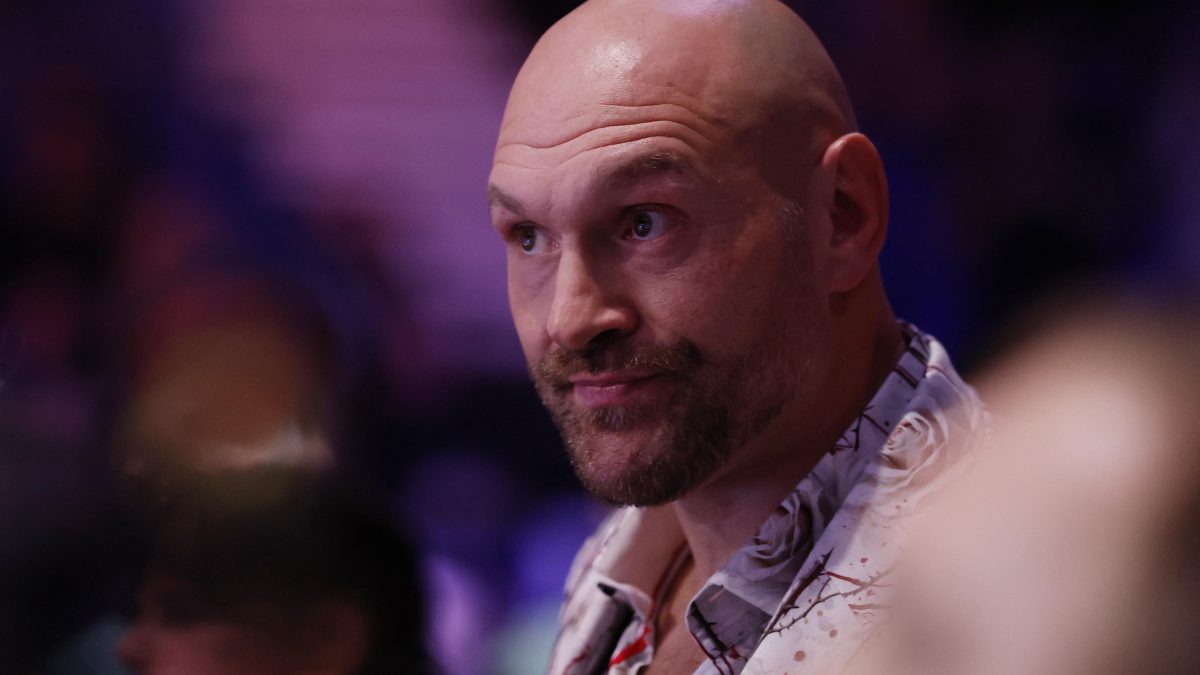
British heavyweight boxer Tyson Fury has opened up about his struggles with mental health following his historic victory over Wladimir Klitschko in 2015, revealing how achieving his lifelong ambition triggered a period of depression and emotional distress.
The 38-year-old former world champion disclosed that he was diagnosed with schizophrenia and bipolar disorder after experiencing a severe deterioration in his mental health.
According to an interview with The Guardian, on Monday, November 23, 2026, Fury explained that his difficulties began shortly after defeating Klitschko to become the unified heavyweight champion.
Fury recalls struggles after Klitschko victory
The boxer explained that defeating Klitschko had been his ambition since childhood.
He achieved that dream on November 28, 2015, when he defeated the Ukrainian by unanimous decision in Düsseldorf, Germany, claiming the WBA, IBF, WBO and Ring Magazine heavyweight titles.
However, despite accomplishing his goal, Fury said he experienced an unexpected emotional decline.
“I had no purpose,” he recalled.
The former champion explained that he struggled to celebrate the victory and soon began questioning what remained for him to achieve.
He said he had also been dealing with personal grief following a miscarriage and the death of a close uncle before the fight.
Fury explained that his mental condition worsened over the months that followed, even as those around him focused on arranging a rematch with Klitschko.
Boxer reveals mental health diagnoses
The British fighter disclosed that he experienced frightening auditory hallucinations during his mental health crisis.
He also acknowledged turning to alcohol, drugs and excessive eating while struggling with his condition.
According to Fury, his wife, Paris, became increasingly worried about his safety and well-being.
He explained that his difficulties affected family life and forced him to reconsider his future in boxing.
Fury subsequently sought professional medical assistance and said he was diagnosed with schizophrenia and bipolar disorder.
The former champion maintained that receiving professional support helped him better understand his condition.
Fury recounts turning point
Reflecting on his recovery, Fury recalled an experience in 2017 when he attended a Halloween event while weighing approximately 400 pounds.
He said watching younger people enjoying themselves prompted him to reflect on the direction his life had taken.
The boxer subsequently returned home and prayed, deciding that he needed to make changes.
He explained that the experience marked the beginning of his determination to rebuild his physical and mental health.
Fury later resumed training under coach Ben Davison and worked with promoter Frank Warren towards returning to professional boxing.
His comeback eventually began in June 2018, more than two years after his victory over Klitschko.
Fury prepares for Anthony Joshua fight
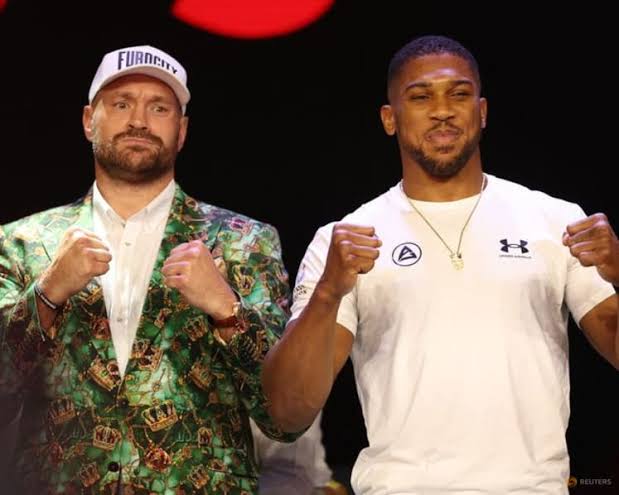
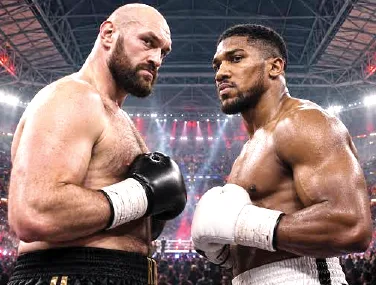
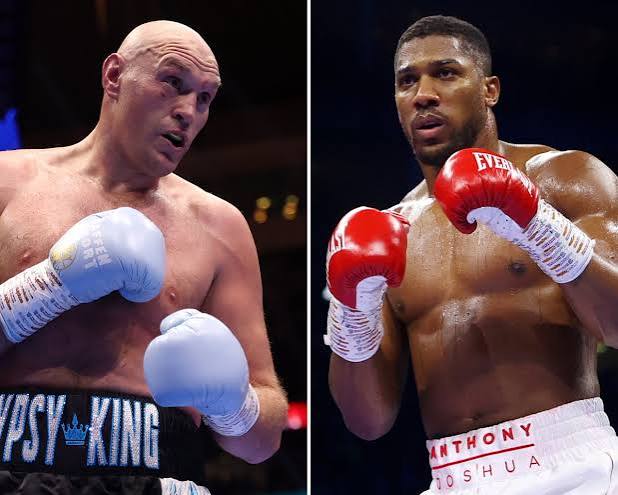
The latest revelations come as Fury prepares to face fellow British heavyweight Anthony Joshua on December 11, 2026, at the Principality Stadium in Cardiff.
The highly anticipated bout is expected to bring together two of Britain’s most prominent heavyweight fighters after years of speculation about a possible meeting.
However, Fury admitted that he remained concerned about finding a new sense of purpose after the fight.
He explained that boxing had occupied a central place in his life for decades, making the prospect of permanent retirement emotionally challenging.
The former champion said he would need to discover meaningful activities beyond everyday routines when his professional boxing career ends.
Netflix documentary explores Fury’s life
Fury’s personal struggles will also feature in a documentary titled Fury, scheduled for release on Netflix on November 27.
The production examines his career, family life, mental health challenges and eventual return to boxing.
His wife Paris and father John are among those who discuss his experiences.
The boxer has previously spoken publicly about depression and the importance of seeking professional help.
His latest reflections offer further insight into the personal challenges he faced after becoming world heavyweight champion and his efforts to manage his mental health while continuing his sporting career.