





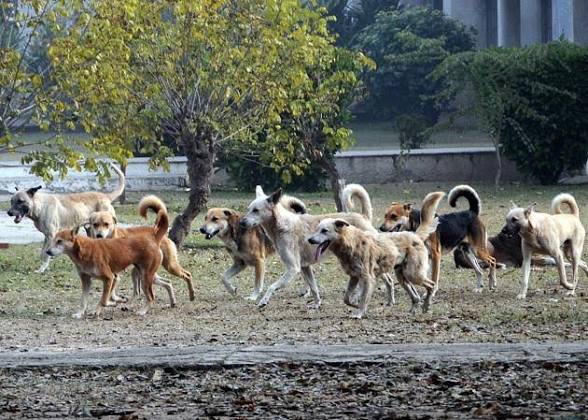
Pakistan is facing a worsening rabies crisis, with at least 35 people reported to have died from the disease during the first nine months of the year, while dog-bite incidents across the province exceeded 200,000.
Karachi has emerged as a major hotspot, with more than 40,000 dog-bite cases recorded at four major public and welfare hospitals between January and September. The figures underscore persistent concerns over stray dogs and the effectiveness of existing prevention and population-control measures.
Indus Hospital Karachi recorded approximately 14,000 dog-bite cases during the period. Jinnah Hospital Karachi and Civil Hospital Karachi each reported around 10,000 cases, while more than 7,000 additional cases were documented at other hospitals in the city.
Of the reported rabies fatalities, 26 occurred at Indus Hospital Karachi. Indus Hospital Badin recorded one death, while Jinnah Hospital Karachi reported eight deaths linked to rabies.
Health experts, however, warned that the available figures may not reflect the full extent of the problem. Differences in reporting and record-keeping practices among hospitals and other healthcare institutions could mean that the actual number of dog-bite cases is considerably higher.
Experts have called for a sustained dog-sterilisation programme to help manage the stray-dog population, alongside improvements in vaccination programmes. They also stressed that simply maintaining supplies of anti-rabies vaccines at hospitals would not be enough to tackle the problem.
According to health experts, reducing the risk of rabies requires a broader approach that includes preventing dog bites, controlling the stray-dog population, vaccinating dogs and ensuring that victims receive treatment as quickly as possible.
Sindh Chief Secretary Asif Hyder Shah has also urged people to take dog bites and scratches seriously, warning that rabies is fatal once symptoms develop and that immediate medical intervention is essential.
In a message issued on World Rabies Day, Shah advised people to clean dog-bite wounds immediately with soap and running water for at least 15 minutes before going to the nearest health facility for medical assessment, vaccination and other necessary treatment.
He also cautioned against self-treatment and urged anyone bitten or scratched by a dog to seek professional medical care without delay.
Meanwhile, Sindh’s capacity to treat dog-bite victims has increased by about 30% compared with the first eight months of the previous year. Health facilities across the province have treated roughly 45,000 victims and administered about 138,000 doses of anti-rabies vaccine.
Around 5,000 doses of rabies immunoglobulin have also been administered to patients requiring the treatment.
Shah said 278 anti-rabies units had been upgraded across Sindh, with facilities for wound washing, supplies of vaccines and trained medical personnel available to support timely treatment.
He reiterated that public awareness, prompt medical care after dog bites and scratches, and vaccination of dogs were key elements in preventing rabies deaths.