



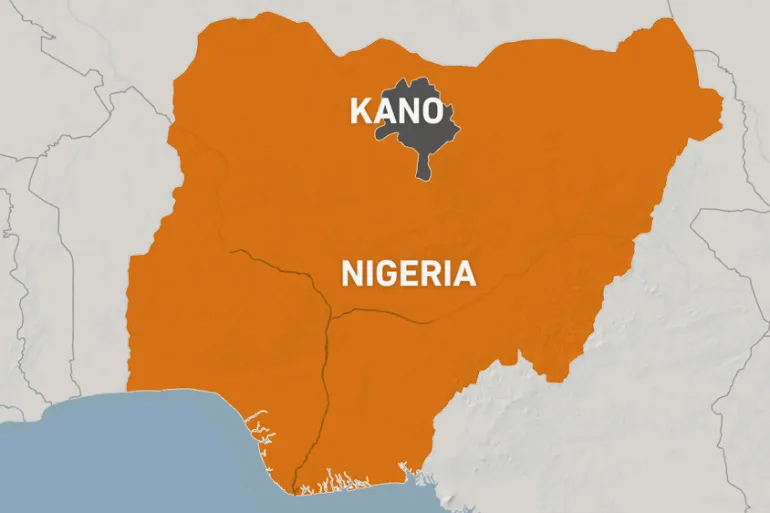
The Kwankwasiyya Movement has alleged that the Kano State Government is using administrative measures to frustrate opposition politicians and prevent lawmakers outside the ruling political camp from facilitating development projects in the state.
In a statement signed by its spokesperson, Dr Habib Mai Lemo, the movement said the alleged suspension of councillors, efforts to stop or relocate federal constituency projects and reported threats against political commentators indicated what it described as a growing climate of political intimidation in Kano.
Mai Lemo specifically referred to correspondence purportedly issued by the Kano State Ministry of Works requesting that a federal constituency road project be suspended or relocated. The project was reportedly designed to benefit communities within the Ungogo/Minjibir Federal Constituency.
He asked the state government to clarify why projects facilitated by opposition lawmakers were allegedly being subjected to what he termed “extraordinary administrative intervention.”
“Residents should not be denied a road, school, healthcare facility or any other public service simply because the elected representative who facilitated it belongs to an opposition party,” he said.
The movement said that if concerns over duplication informed the government’s decision to seek the suspension or relocation of the project, authorities should establish that similar measures were being taken against federal constituency projects across Kano, regardless of the political affiliation of the lawmakers responsible for them.
On the alleged suspension of councillors, the group said three councillors representing Kano Municipal Local Government Area had been suspended over claims associated with the execution of projects. It noted that the affected councillors had rejected the allegations.
The movement further claimed that two councillors in Tarauni Local Government Area were suspended over their alleged continued affiliation with the Kwankwasiyya Movement.
Mai Lemo demanded an independent and transparent investigation into the suspensions, including a review of the allegations levelled against the councillors and the evidence used by the authorities to justify the actions.
“We have received serious complaints that these councillors are being targeted because they refused to abandon their political platform and defect to the ruling camp. If established, that would amount to a grave abuse of democratic principles,” he said.
He argued that belonging to a political party or movement should not constitute an offence, stressing that elected officials should not be suspended or subjected to administrative pressure simply because they declined to leave their political platform.
The Kwankwasiyya Movement also faulted what it described as statements made by the Kano State Attorney-General and Commissioner for Justice during a political programme. According to the group, the comments included alleged threats of arrest against political commentators, opposition supporters and members of the Kwankwasiyya Movement who criticise the government through radio programmes and social media.
Mai Lemo described threats against citizens for engaging in lawful criticism as incompatible with democratic governance. He said that where there was evidence of a criminal offence, the authorities should clearly state the alleged offence and allow the matter to proceed in accordance with due process.
He further accused some government officials and political appointees of making what he described as insulting, defamatory and unsubstantiated remarks against opposition politicians and members of the Kwankwasiyya Movement.
“Our position is straightforward: if abusive political language is unacceptable, it must be unacceptable for everyone,” he said.
“The people of Kano did not elect political leaders merely to fight partisan battles; they expect development, responsible leadership and respect for their constitutional rights,” Mai Lemo said.
The movement reaffirmed that it would continue to operate within the law and maintain a peaceful approach while advocating for democratic principles and protecting the interests of its members.