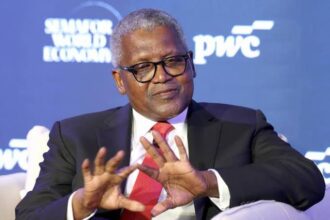






Nigeria’s fuel subsidy cost could have climbed to about ₦53 trillion if the policy had remained in place, according to Chairman of the Nigeria Revenue Service, Zacch Adedeji.
According to The Punch, Adedeji made the claim during an interview on Channels Television’s Sunday Politics while defending the economic reforms introduced by President Bola Tinubu since taking office.
He also projected that the naira could have weakened to about ₦3,500 against the dollar if the government had continued financing petrol subsidy.
Adedeji described subsidy removal as a difficult but necessary decision, arguing that several improvements recorded by the government followed the policy change.
“It is not a mistake; it is the best thing that has happened to this country,” he said.
“Subsidy was evil and had been with Nigeria for decades.”
Fuel subsidy cost could have worsened finances
Adedeji said Tinubu inherited an economy struggling with a costly subsidy system, weak performance in the oil sector and a limited tax base.
He argued that keeping the subsidy would have placed even greater pressure on public finances, especially amid changes in the global energy market.
According to him, the government would have faced a potential subsidy bill of about ₦53 trillion alongside further pressure on the exchange rate.
The NRS chairman also defended the administration’s decision to unify the foreign exchange market, saying economic policies should be assessed on their long-term impact rather than emotion.
“What the President deserves now is support and commendation for being a statesman and not a politician,” Adedeji said.
He also challenged politicians planning to contest the 2027 presidential election to explain what they would have done differently.
“Are they saying that it is wrong that we removed fuel subsidy? Are they saying that it is wrong that we unified the rate?” he asked.
Tinubu’s subsidy removal raised living costs
Tinubu announced the end of petrol subsidy during his inauguration on May 29, 2023, declaring that “fuel subsidy is gone.”
The decision immediately pushed petrol prices higher and contributed to increases in transportation, food and production costs.
While the policy has boosted government revenue and increased allocations shared by federal, state and local governments, its impact on household expenses has remained a major concern for Nigerians.
Adedeji, however, maintained that retaining the subsidy would have created even greater economic pressure and that the reforms were necessary to put government finances on a more sustainable path.