





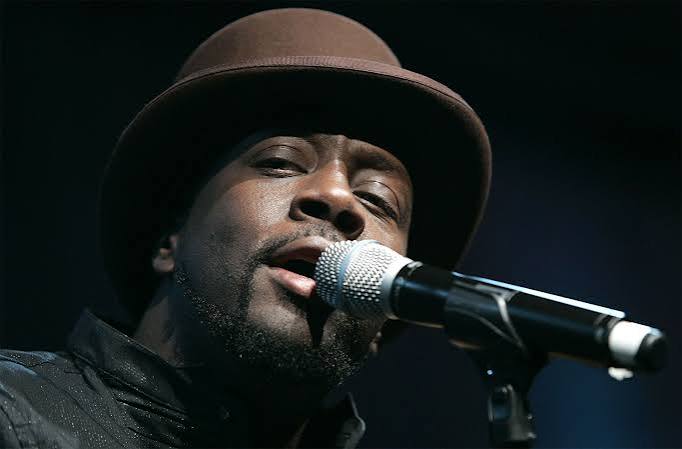
Haitian-American music star Wyclef Jean has recalled an unforgettable encounter with Michael Jackson at New York’s famous Hit Factory. He revealed that the late pop legend appeared inside the studio through a secret elevator he never knew existed.
In a video shared by One54Africa, Wyclef said he was working inside the studio when Jackson suddenly appeared near the booth. This left everyone in the room stunned. The Fugees star said he had always believed he had special access to the facility. However, he discovered Jackson had an entirely different entrance reserved for him.
Wyclef Jean recalls Michael Jackson’s surprise entrance
Wyclef explained that he had been using another elevator at the Hit Factory. He had no idea there was a private one at the back of the building.
“I thought I was the man,” he joked while recounting the experience, before describing how Jackson appeared almost without warning.
“I’m in the booth. I just look up, and it looked like Mike just popped up out of thin air,” Wyclef recalled.
According to him, Jackson walked directly into the studio while everyone watched in disbelief. He remembered that the singer was wearing a mask at the time, adding to the dramatic nature of the moment.
Wyclef said even some of the toughest people in the room became visibly excited when they realised who had arrived.
He described Jackson as someone with an unusual ability to change the atmosphere around him, regardless of who was present.
The musician had previously worked with Jackson on material connected to the late singer’s career, including “Blood on the Dance Floor.” He said they also spent time recording other material. Afterwards, Jackson decided which songs he wanted to keep.
Wyclef explains why he refuses to sell his catalogue
The conversation later shifted from Jackson to music ownership. Wyclef explained why he places enormous value on retaining the publishing rights to songs he has written.
He said his catalogue remains one of his most important assets. Musicians continue to earn whenever their work is licensed or used in new recordings.
Wyclef argued that publishing operates much like real estate. An artist builds a valuable catalogue over time and continues to benefit whenever others seek permission to use the music.
Asked whether he would consider selling his catalogue for $200 million, the singer rejected the idea. Rather than take a huge one-time payment, he said he would prefer to preserve the catalogue for his daughter and family.
He explained that his family is already financially secure. He said keeping ownership could create generational wealth long after he is gone.
Ayra Starr and Wizkid’s ‘Gimme Dat’ enters conversation
Wyclef’s explanation of music publishing also brought Nigerian stars Ayra Starr and Wizkid into the discussion.
During the interview, Ayra Starr and Wizkid’s collaboration “Gimme Dat” was mentioned as an example of how older songs can continue generating value decades after their release.
“Gimme Dat,” released in 2025, samples Wyclef Jean and Mary J. Blige’s 2000 hit “911.” The track incorporates elements of the classic record while giving it a modern Afrobeats interpretation.
Wyclef acknowledged the Nigerian collaboration while explaining that artistes cannot simply use copyrighted music without clearing the necessary rights.
Using the song as an example, he explained that whenever another artiste wants to incorporate his music into a new record, the original rights holders must be approached and compensated.
That means the continued use of songs such as “911” allows his catalogue to remain commercially valuable. This remains true more than two decades after the original record was released.
His comments underline the connection between established international catalogues and the growing Afrobeats industry. Younger African stars are increasingly drawing inspiration from global classics.
Wyclef urges artistes to think beyond radio
Wyclef also advised younger musicians not to build their careers solely around getting songs played on radio.
Looking back at his own journey, he said he deliberately focused on creating music that could travel around the world. He avoided chasing what appeared popular at a particular moment.
The singer noted that he began his career during the cassette era. He successfully transitioned through CDs, digital downloads and eventually streaming.
For Wyclef, surviving each technological shift reinforced the importance of owning music. He believes it is better than giving away valuable publishing rights for immediate financial rewards.
Decades after some of his biggest records were released, songs from his catalogue continue to find new audiences. This continues through collaborations such as Ayra Starr and Wizkid’s “Gimme Dat.”
And while his surprise encounter with Michael Jackson remains one of his most memorable studio experiences, Wyclef believes ownership of the music created during those years could ultimately become an even greater legacy for his family.