




Nearly one in every five bird and mammal species in Australia is now considered to be at a “high to extreme risk” from the rapidly spreading bird flu virus, as the country begins to witness significant impacts on its wildlife.
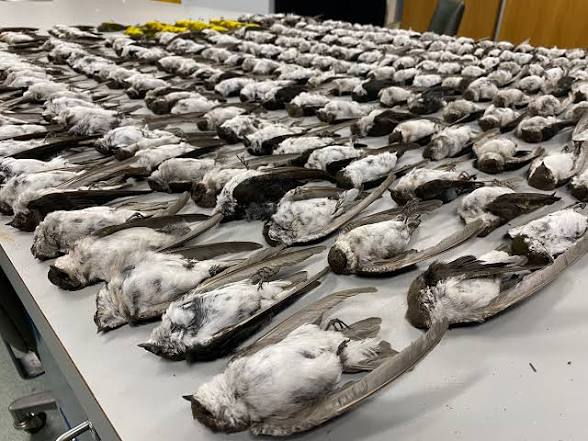
The threat posed by the highly pathogenic H5 strain continues to intensify, with Australia recording its first domestic mass bird mortality event over the past week.
At the same time, the number of confirmed positive cases has risen to more than 100.
Among the species identified as being under severe threat are 13 critically endangered species and 70 endangered species or subspecies, all assessed as facing extreme, very high, or high levels of risk.
Species such as the Christmas Island frigatebird, the little penguin, and the Australian sea lion have been highlighted among those facing the greatest danger from the virus.
In response to the growing crisis, the Invasive Species Council has called on the federal government to provide $200 million in funding to strengthen conservation efforts and improve the ability of vulnerable species to survive and recover from disease outbreaks.
“This is a shocking list which reveals the confronting extent of the potential disaster facing Australian wildlife,” Invasive Species Council chief executive Jack Gough said.
“This is a list of doom that demands a serious response. But instead we have had cuts to on-ground environment programs nationally.
“If the Albanese government doesn’t step up straight away with a genuine funding package to save wildlife, then they are not taking the bird flu threat to Australian animals seriously.”
Government officials say preventive measures are already being implemented to reduce the risk of the disease spreading across the country.
“We’ve done a lot of work there in terms of protecting their habitats, improving the biosecurity,” she told News24.
“We’ve also been working importantly with our industries, such as our dairy industry, our egg and our chicken-meat industries, to do everything we can do to improve their biosecurity systems, to keep it out of our agricultural production systems.
“We have also been very clear that this is very contagious and very virulent, and what we’ve seen across the globe is that it does spread and it spreads very, very quickly.”
Although Australia has not yet detected any cases of bird flu in its poultry industry, the virus has already caused devastating losses globally, with an estimated 140 million birds affected.