



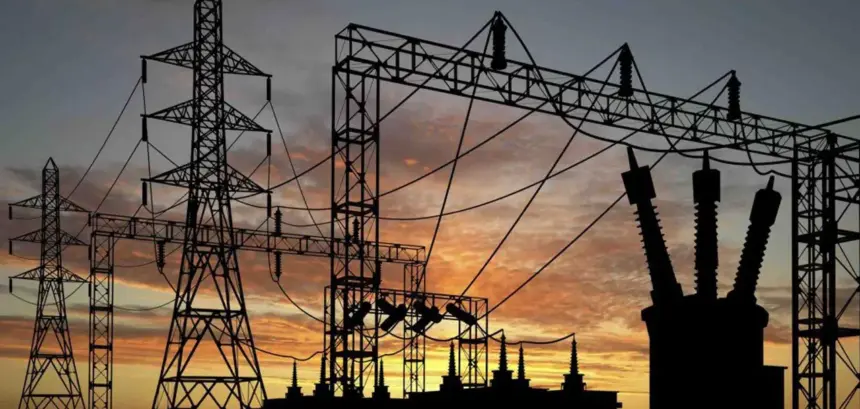
About ₦10tn in power sector investments, loans, guarantees and government interventions has failed to deliver a significant improvement in Nigeria’s electricity supply over the past 13 years.
According to Vanguard, power generation has remained around an average of 4,500 megawatts despite repeated efforts by successive administrations to address debts, metering shortages and infrastructure problems. The output remains far below Nigeria’s estimated demand of more than 30,000MW.
The interventions introduced since the sector’s privatisation in 2013 include the ₦213bn electricity market stabilisation fund, the ₦701bn payment guarantee for generation companies and more than ₦200bn for the National Mass Metering Programme.
Other major programmes include the ₦700bn Presidential Metering Initiative, the €2.3bn Siemens power project and over $2.4bn in projects financed by the World Bank and African Development Bank.
The Federal Government has also introduced a ₦4tn programme to settle verified debts owed to generation companies and other electricity market participants. However, some of these figures represent guarantees, loans and proposed financing rather than money already disbursed.
Power sector investments fail to raise generation
The Nigerian Electricity Regulatory Commission reported that average available generation capacity stood at 4,457.96MW in the first quarter of 2026. Actual average hourly generation was lower at 4,112.72MW.
The figures remained below the Federal Government’s 6,000MW target and only slightly higher than the electricity generated shortly after privatisation.
Nigeria has more installed generation capacity, but gas shortages, ageing equipment, transmission limitations and poor maintenance prevent power plants from operating fully.
The electricity market also faces a serious liquidity problem. Generation companies say unpaid subsidy obligations have weakened their ability to pay gas suppliers, maintain plants and meet other operating expenses.
The Federal Government disputes some of the debt figures presented by electricity companies, saying a verification exercise reduced recognised liabilities to about ₦3.3tn.
FG turns to bonds to settle power debts
To improve liquidity, the government has started using bonds to settle verified obligations owed to generation companies.
About ₦333bn has already been paid to participating companies, while another bond valued at approximately ₦729bn has been introduced for additional settlements.
Officials believe clearing the debts will rebuild investor confidence and allow operators to invest in generation, gas supply and maintenance.
However, consumer advocates argue that injecting more money into the sector will not solve the problem unless the government addresses waste, inflated claims and poor accountability.
Power Minister promises sector reset
Minister of Power Joseph Tegbe said the government had begun resetting the electricity industry by confronting problems that had developed over several decades.
“Our objective is clear: to make electricity more available, make the grid more reliable, make the market financially sustainable and restore investor confidence,” he said.
The ministry plans to conduct a technical audit of the national transmission network to identify ageing equipment, overloaded substations and weak transmission corridors.
It will also invest in the Lagos, Enugu–Port Harcourt and Abuja–Kaduna–Kano transmission corridors as part of efforts to stabilise the national grid.
Tegbe said the government would work with federal and state electricity regulators to resolve disputes created by the decentralisation of the power industry.
The ministry has also introduced a programme to train 5,000 young Nigerians in meter installation as part of efforts to close the country’s metering gap.
According to the minister, Nigerians should begin experiencing a stronger grid, reduced electricity losses and improved supply within the next two to three years.
After years of large financial interventions, however, households and businesses are likely to measure the success of the reforms by the electricity they receive rather than the amount of funding announced.