



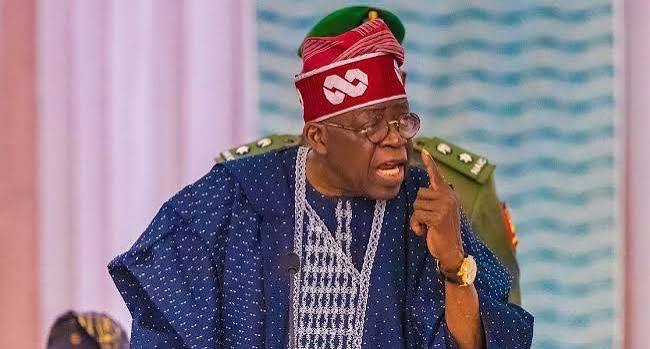
The Archbishop Emeritus of the Catholic Archdiocese of Abuja, John Onaiyekan, has disclosed that President Bola Tinubu disagreed with the concerns raised by members of the Catholic Bishops’ Conference of Nigeria over the state of the economy, insecurity and the country’s political environment during a meeting at the Presidential Villa, Abuja.
The meeting, held on July 28, 2026, provided an opportunity for the bishops to present their assessment of national issues, including economic hardship, worsening insecurity and developments within Nigeria’s democratic space.
Speaking during an interview on Prime Time, a programme aired on Arise News on Friday, Onaiyekan said the President rejected the bishops’ assessment and maintained that his administration was making progress.
“When the nation is bleeding, you cannot expect a polite meeting with the Head of State. We told him the economy is not helping our poor people; he told us the economy is doing fine. Frankly speaking, he told us quite clearly that he did not agree with us,” Onaiyekan said.
He added, “We didn’t expect him to agree with us. We have done our duty, we have delivered our message, and we have a feeling that somehow, along the line, somebody will show him a few of the things we said.”
According to the cleric, the presentation made to the President reflected the collective position of the Catholic Bishops’ Conference following extensive consultations. He emphasised that the bishops were motivated by their responsibility to speak on issues affecting Nigerians rather than by political interests.
“We are not politicians running for office. We are religious leaders who feel we have a duty not just to preach our doctrines but also to address the lives of our people,” he said.
Onaiyekan noted that the bishops intentionally presented the realities confronting citizens instead of offering a favourable account of the country’s situation. He added that they were encouraged the President listened to their concerns because he addressed each of the issues raised during the engagement.
The Archbishop Emeritus also expressed concern that only a few people within government were willing to speak frankly to the President, describing the situation as one of the country’s major governance challenges.
Addressing the nation’s political climate, Onaiyekan defended the bishops’ warning over what they described as the growing threat of a one-party dominant state. He argued that a healthy democracy depended on credible elections and an electoral process that guaranteed a level playing field for all participants.
Reacting to Tinubu’s defence of the Independent National Electoral Commission, the cleric maintained that public doubts about the electoral body’s impartiality would persist as long as its leadership continued to be appointed by the President. He called for reforms aimed at strengthening confidence in the electoral system.
Onaiyekan further urged the President to safeguard Nigeria’s democratic institutions, stressing that the Catholic bishops remained united in their conviction that Nigerians deserved better governance and that greater attention should be given to addressing the country’s pressing challenges rather than highlighting government achievements.