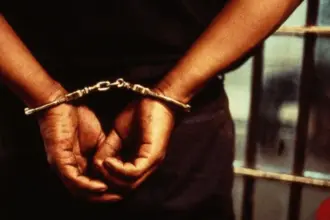



Sri Lanka’s former intelligence chief, Retired Major-General Suresh Sallay, was arrested on Wednesday in connection with the 2019 Easter Sunday bombings that killed 279 people, according to media reports.
Retired Major-General Suresh Sallay was taken into custody at dawn in Colombo.
Sallay, who was appointed head of the State Intelligence Service (SIS) in 2019 after Gotabaya Rajapaksa assumed the presidency, has been accused of links to the coordinated suicide attacks — allegations he has denied.
In 2023, British broadcaster Channel 4 reported that Sallay had connections to the Islamist bombers and had met them prior to the assault.
A whistleblower told the network that the former intelligence chief had allowed the attacks to proceed in order to sway that year’s presidential election in favour of Rajapaksa.
“He was arrested for conspiracy and aiding and abetting the Easter Sunday attacks,” an investigating officer told news agency AFP.
The bombings also left more than 500 people injured, including 45 foreign nationals among the dead, and dealt a severe blow to the country’s vital tourism sector.
Two days after the attacks, Rajapaksa announced his candidacy for president and later secured a landslide victory in the November election after pledging to eliminate Islamist extremism.
Following Rajapaksa’s win, Sallay was elevated to lead the SIS, Sri Lanka’s principal intelligence agency. He was removed from the post after Anura Kumara Dissanayake won the presidency in 2024, AFP reported.
The Dissanayake administration had vowed to prosecute those responsible for the bombings.
Authorities initially attributed the coordinated suicide attacks on three churches and three hotels to a local jihadist group.
However, Sallay has also faced accusations of orchestrating the plot.
Separate investigations concluded that officials failed to act on advance warnings from an Indian intelligence agency about an imminent attack.
In a civil case, the Supreme Court imposed fines totaling more than $1.03 million on former president Maithripala Sirisena and four senior officials for failing to prevent the bombings.
The United Nations has urged Sri Lanka to release sections of earlier investigative reports into the attacks that have not been made public.