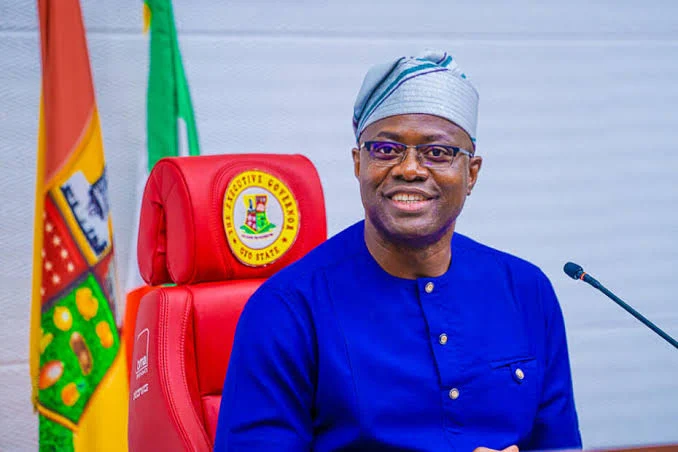
Rivers State Governor, Siminalayi Fubara, has approved the return of 1,000 teachers earlier recruited in 2023, marking one of the most decisive actions taken by his administration in recent weeks.
The directive was issued on Tuesday through the Chairman of the Rivers State Universal Basic Education Board, Sam Ogeh, who stated that the teachers must undergo a fresh revalidation exercise before resuming duties.
The decision comes less than 24 hours after the Martin Amaewhule-led House of Assembly sharply criticised the governor over the condition of public schools, accusing the executive of failing to address deteriorating infrastructure and an acute shortage of teaching staff.
According to the RSUBEB chairman, the latest directive is intended to address longstanding manpower gaps across primary and junior secondary schools in the state.
Ogeh explained that the administration is committed to restoring staffing levels and improving learning conditions. He said, “In fulfilment of his promise to bridge the manpower gap in public schools across Rivers State, His Excellency, Sir Siminalayi Fubara, has approved the appointment of new teachers across the state. As part of this initiative, His Excellency has directed the revalidation of the 1000 teachers recruited in 2023.”
He added that the affected teachers are required to report to the RSUBEB office on Wednesday for documentation, with the exercise scheduled to hold at the board’s headquarters along Elechi Beach, Port Harcourt.
The announcement followed a tense session at the House of Assembly, during which lawmakers reviewed a report presented by the Chairman of the House Committee on Education, Aforji Igwe. Igwe described the condition of some public schools as alarming after leading an inspection of Township State School 1 and 2 on Moscow Road, where he highlighted broken structures, poor sanitation and inadequate teaching personnel.
During the deliberation, Speaker Martin Amaewhule faulted the executive arm for allegedly failing to prioritise education despite claims that previous administrations had left behind substantial funds. He questioned why classrooms remained overcrowded and in poor condition.
Lawmakers also cited cases where a single teacher manages two classes simultaneously, while some schools operate without electricity, toilets or essential instructional materials.
In his response, Governor Fubara rejected claims that the problems began under his administration. He argued that the neglect of basic education facilities dates back many years, noting that the six-month emergency period declared in the state slowed down several planned rehabilitation projects.
The governor reaffirmed that recruitment of teachers and health workers would continue, stressing that employment under his leadership would not be influenced by political considerations or patronage.