


As Nigeria marks 64 years of independence, thousands of protesters gathered in Lagos and Abuja to express their frustration over the rising cost of living and energy prices.
The protesters called on President Bola Tinubu’s government to address the country’s growing economic challenges.
The protests, tagged “FearlessInOctober,” were organized on social media and followed similar demonstrations held in August. Protesters demanded a reversal of the government’s policies, including the removal of the petrol subsidy and the increase in electricity tariffs.
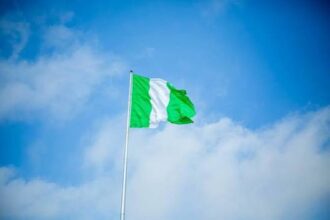
In Abuja, protesters gathered in the Utako area, waving Nigerian flags and carrying banners with messages like “EndBadGovernance,” “EndHighLivingCosts,” and “DiasporaVoting.” Similarly, in Lagos, large crowds gathered under the Ikeja Bridge, bringing traffic to a halt. They held banners reading “Reverse Anti-People Policies” and “End Neoliberal Policies of Privatisation, Deregulation, and Devaluation of Naira.”
Prominent activist Omoyele Sowore joined the protest in Lagos, where demonstrators planned to march to Gani Fawehinmi Park in Ojota to continue their demands for a change in government policies.
The protests occurred peacefully, with security forces maintaining a safe distance at both the Lagos and Abuja locations. Despite warnings from the government, similar protests were held in other states across Nigeria.
Critics of President Tinubu’s policies argue that the removal of the petrol subsidy and the unification of foreign exchange rates have led to skyrocketing inflation and unbearable energy costs. Since Tinubu took office in May 2023, petrol prices have surged from around N200 per litre to over N1,000, while electricity tariffs have quadrupled, affecting both businesses and households.
In his Independence Day speech, President Tinubu acknowledged the economic hardship caused by his reforms and asked Nigerians for more patience. He assured them that his administration is working on policies to reduce the high cost of living.