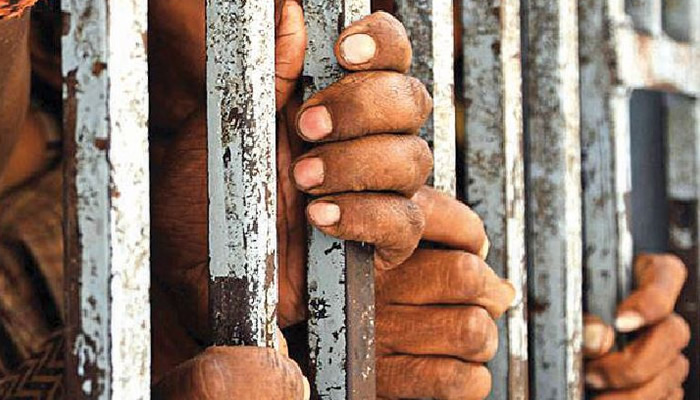
The Lagos State doctor, Idara Bassey, who was wanted in connection with the death of a 36-year-old woman during a buttock enlargement surgery at a clinic in Lekki Phase 1, is now in police custody.
The police confirmed that Bassey is being investigated at the State Criminal Investigation Department in Panti.
The tragedy occurred on August 26, 2024, when a woman named Abiola died during a buttock enlargement procedure at Bassey’s clinic.
Bassey had fled after the incident, but the Lagos State Police Public Relations Officer, Benjamin Hundeyin, confirmed on Tuesday that Bassey is now in custody. “The doctor is now with the SCID,” Hundeyin said.
The procedure in question, known as a Brazilian Butt Lift (BBL), involves removing fat from other parts of the body and injecting it into the buttocks to make them fuller and rounder. Despite its popularity, many medical experts have warned about the potential risks. In 2019, a 31-year-old British woman named Melissa Kerr died during a similar procedure at a hospital in Istanbul. A BBC report in 2023 revealed that Kerr had not been given enough information to properly assess the risks of the surgery before traveling for the procedure.
Following the death of Abiola, police also arrested the nurse who administered the injection during the surgery, allegedly acting under Bassey’s orders. Reports indicate that Abiola had left her home in the Diamond Estate, Sangotedo, in the Ibeju Lekki area, and instructed her driver to take her to the clinic for the procedure. After the nurse administered the injection, Abiola lost consciousness and began gasping for breath. Her driver reported this to the police.
When asked whether Bassey would face charges and on what grounds, Hundeyin responded, “Answers to these questions will be provided after the investigation.”
The case has raised concerns about the safety of buttock enlargement procedures, especially as more videos have surfaced online of women in Lagos claiming to have undergone the surgery successfully. Despite warnings about the risks, the procedure remains popular, highlighting the need for better regulation and patient education.