



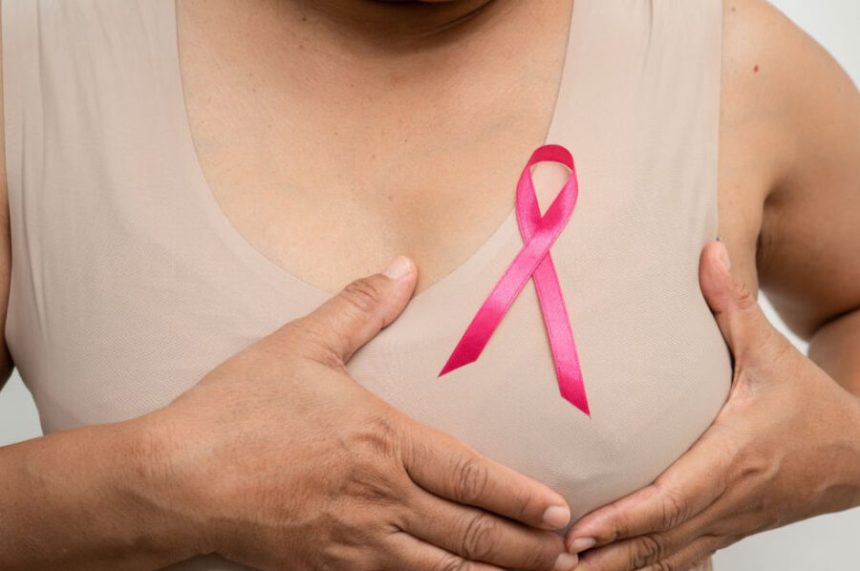
The Africa Women Cancer’s Awareness Association has raised an alarm that a majority of breast cancer cases in Nigeria are detected at advanced stages, severely limiting treatment success.
Speaking at a Breast Cancer NGO Summit in Abuja on Thursday, the Founder of AWCAA, Mrs. Ify Nwabukwu, said between 60% to 80% of patients in Nigeria present at hospitals when the cancer is already in stage three or four.
“Late detection of cancer often spells doom for the victims and makes treatment and recovery very difficult,” Nwabukwu stated.
She emphasized that the critical focus must be on early detection through regular testing and self-examination. Her organization, which began in the United States, now operates in Nigeria, collaborating with stakeholders and using community ambassadors to educate women in churches and local gatherings.
“We want you to know your body, know what your breast looks like… You need to know the color of your breast, the shape of your breast, and… any basic signs and symptoms that tell you something is wrong,” she advised.
Nwabukwu, a cancer survivor who also lost her mother to the disease, said her mission is to create a supportive forum for Africans, offering education and patient navigation.
Another survivor, Denise Igoh, called for advocacy to start early, sensitizing young people in schools. The President of the Cancer Society of Nigeria, Prof. Abidemi Omonisi, urged that survivors be given more voice to dispel the myth that cancer is a death sentence.
He commended recent efforts by the federal government and the World Health Organisation to fund cancer prevention and treatment, highlighting the government’s first-ever national action plan to tackle the disease.
A representative from the Federal Ministry of Health, Dr. Uche Nwaokwu, encouraged survivors to see themselves as ambassadors in the national campaign against cancer.
A retired civil servant and survivor at the event shared the immense financial and psychological stress she endured during her treatment, underscoring the need for improved support systems.