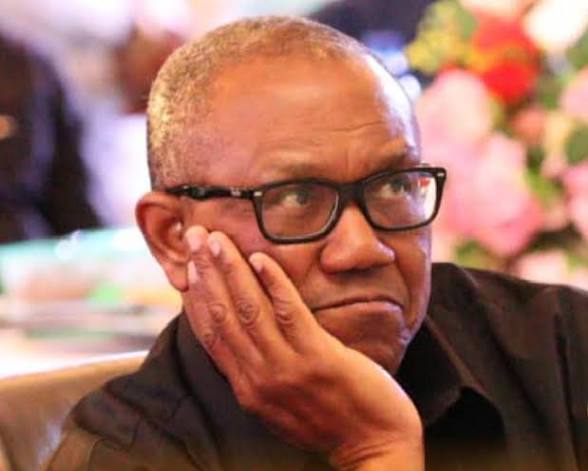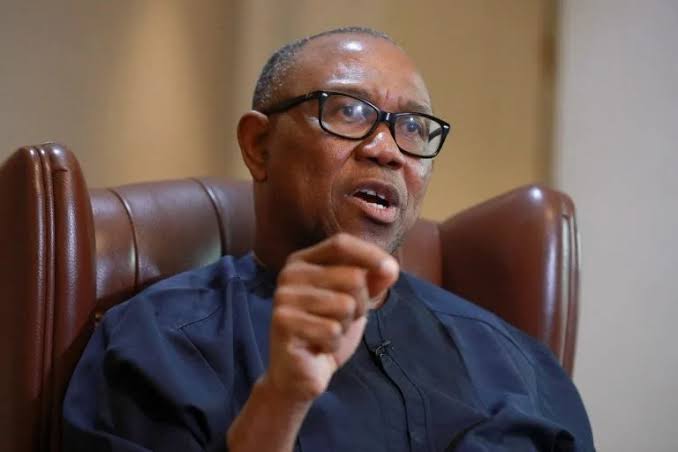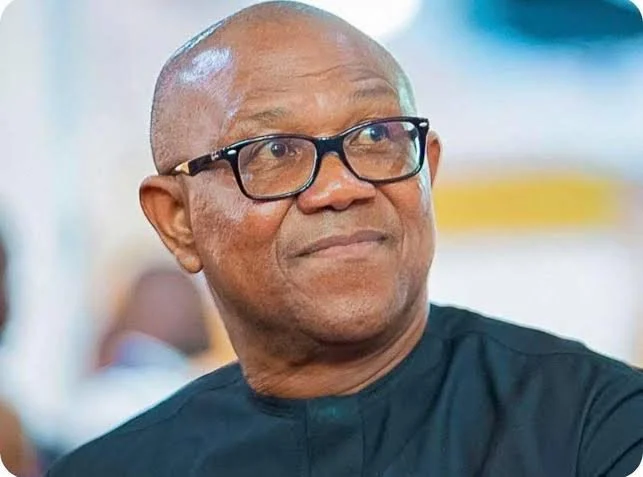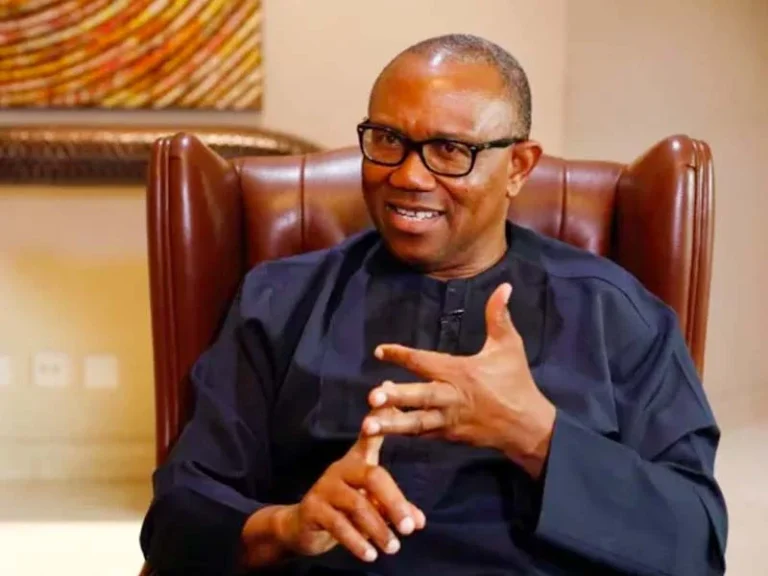
Former Labour Party presidential candidate Peter Obi has said it is not feasible to deliver uninterrupted electricity to every Nigerian within four years, stressing that the country’s power infrastructure requires more time to develop.
However, he pledged to substantially improve electricity generation, transmission and distribution if elected president.
Obi made the remarks on Sunday, July 26, during an appearance on Politics Today on Channels Television, hosted by Seun Okinbaloye, where he outlined his vision for transforming Nigeria’s electricity sector.
According to Obi, promising round-the-clock electricity across the country within a single four-year term would be unrealistic because major power projects require years to complete. He maintained that building power plants and strengthening transmission infrastructure cannot be achieved within such a short period.
“24-hour electricity within 4 years is impossible. If you want to build a power plant, it takes about 4 years. Improving transmission lines also takes years.”
Instead of making what he described as unattainable commitments, Obi said his administration would prioritise expanding Nigeria’s electricity capacity to ensure the country can generate, transmit and distribute at least 10,000 megawatts of power within four years.
“But within 4 years, we will ensure we can generate, transmit, and distribute not less than 10,000 Megawatts.”
He explained that the target would be pursued through embedded power projects by replicating successful private-sector electricity initiatives in different parts of the country.
According to Obi, the model deployed by Geometric Power in Aba demonstrates how decentralised electricity generation can support industrial clusters and should be expanded to other states.
“We will do it through embedded power. Look at what Geometric Power is doing in Aba—we need to replicate that in locations like Kano to drive the industries in Bompai and Sharada.”
Obi also called for the settlement of the trillions of naira owed by the Federal Government to electricity generation companies, arguing that clearing the debts would restore investor confidence and strengthen the power sector.
“Today, the government owes generating companies trillions of Naira. We must pay them. Our politics must change; if I don’t deliver what I promise, I will come out and explain to the people what is going wrong.”
Nigeria’s electricity sector has continued to grapple with low generation capacity, weak transmission infrastructure and persistent funding challenges despite years of reforms aimed at improving the industry.
Data from the Nigerian Electricity Regulatory Commission’s (NERC) January 2026 Operational Performance Factsheet showed that while the country has an installed generation capacity of 13,625 megawatts, only an average of 4,901 megawatts was available for dispatch during the month, representing a Plant Availability Factor of 36 percent. The report also indicated that an average of 4,421 megawatts was dispatched and consumed, reflecting sustained demand despite limited available supply.
The sector is further burdened by significant financial obligations, with the Federal Government owing electricity generation companies (GenCos) about N6.8 trillion. Industry stakeholders have repeatedly warned that the growing debt threatens the financial viability of the entire electricity value chain.
Concerns over the stability of the national grid also persist. Nigeria has recorded two national grid collapses this year, underscoring the fragility of its transmission network and causing widespread disruptions to electricity supply across the country.
Despite being Africa’s largest economy, Nigeria still has one of the world’s widest electricity access gaps, with about 86 million people lacking access to power.
The country’s electricity market has, however, entered a new phase following constitutional and legislative reforms that granted states the authority to regulate electricity within their jurisdictions.
Since the Electricity Act came into force, about 15 states have established or are in the process of creating their own electricity regulatory agencies in a bid to attract investment into power generation, transmission and distribution.
International development partners have also intensified efforts to improve electricity access. Under the Mission 300 initiative, the World Bank announced in early February that the programme is expected to provide household electricity access to 17.5 million Nigerians while supporting job creation, private-sector investment and broader economic growth.
Private sector investment is also gathering momentum. In June, WeLight, Africa’s largest solar mini-grid operator, announced it had secured $31 million to accelerate its expansion into Nigeria as part of efforts to increase electricity access in some of the continent’s most underserved communities.